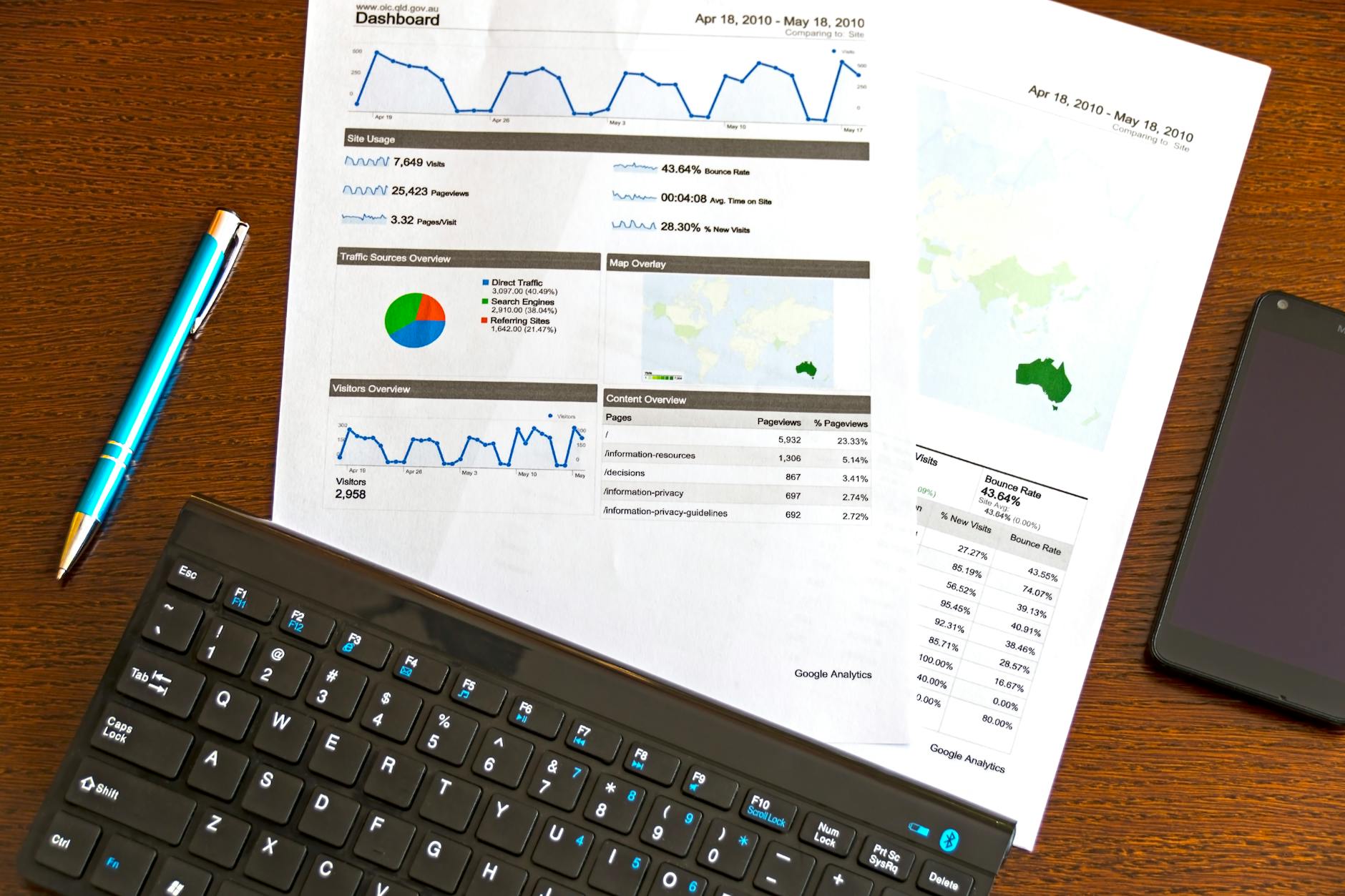
Master Your Sales: Top Ecommerce Analytics Tools
ecommerce analytics tools

Master Your Sales: Top Ecommerce Analytics Tools

Transform raw data into strategic decisions that propel your online business forward and maximize profitability.

Analyze Your Store Now

Key Takeaways

  • ✓ 80% of businesses report increased revenue after implementing advanced analytics.
  • ✓ Understanding customer journeys can boost conversion rates by up to 15%.
  • ✓ Personalized experiences driven by data can reduce customer churn by 10-15%.
  • ✓ The global ecommerce analytics market is projected to reach $10.5 billion by 2028.

How It Works

1
Data Collection & Integration

Analytics tools automatically gather data from various sources like your website, CRM, and marketing platforms. This creates a unified data stream for comprehensive analysis.

2
Analysis & Insight Generation

Advanced algorithms process this data to identify trends, patterns, and anomalies. They highlight key metrics like sales, traffic, conversion rates, and customer behavior.

3
Reporting & Visualization

Insights are presented through intuitive dashboards, charts, and reports. This makes complex data easy to understand and share across your team.

4
Actionable Recommendations

Based on the analysis, tools often provide specific recommendations for optimization. This could include product placement, marketing campaign adjustments, or website improvements.

The Indispensable Role of Ecommerce Data Analysis
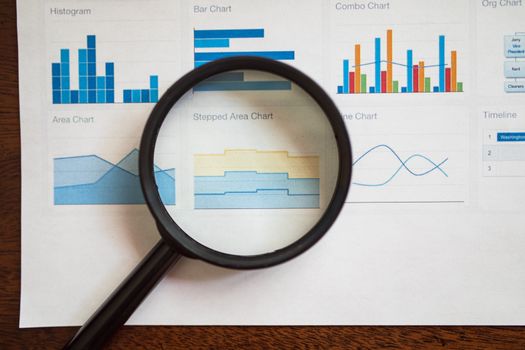
A magnifying glass focuses on various business charts and graphs on paper. Photo: RDNE Stock project / Pexels
In today's hyper-competitive online marketplace, simply having an ecommerce store is no longer enough to guarantee success. Businesses must constantly adapt, innovate, and, most importantly, understand their customers on a profound level. This is precisely where ecommerce analytics tools become not just beneficial, but absolutely indispensable. These sophisticated platforms act as the digital eyes and ears of your online operation, collecting, processing, and interpreting vast amounts of data that would otherwise remain hidden and unusable. Without robust analytics, merchants are essentially navigating their business blindfolded, making decisions based on intuition or anecdotal evidence rather than concrete facts. At its core, ecommerce data analysis is about transforming raw data points into actionable insights. It’s about moving beyond surface-level metrics like total sales and delving into the 'why' behind the numbers. Why did a particular product perform exceptionally well? Why are customers abandoning their carts at a specific stage? Which marketing channels are delivering the highest return on investment? Ecommerce analytics tools provide the answers to these critical questions, empowering business owners to make informed strategic decisions that drive growth, enhance customer experience, and ultimately boost profitability. They offer a panoramic view of your entire sales funnel, from initial customer acquisition to post-purchase engagement, highlighting both opportunities for improvement and areas of unexpected success. Consider the sheer volume of data generated by an active online store: website visits, page views, click-through rates, conversion rates, average order value, customer demographics, product performance, marketing campaign effectiveness, and much more. Manually sifting through this mountain of information is not only impractical but virtually impossible for most businesses. Ecommerce analytics tools automate this complex process, aggregating data from diverse sources – your website, CRM, advertising platforms, social media, email marketing – into a centralized, digestible format. This integration is crucial for painting a complete picture of your business health and identifying correlations that might otherwise be missed. For instance, an analytics tool might reveal that customers who arrive from a specific social media campaign are more likely to purchase a particular product category, informing your future marketing spend and product promotion strategies. It's about creating a data-driven culture within your organization, where every decision, from inventory management to website design, is backed by solid evidence. The right tools can turn mere observations into strategic competitive advantages, ensuring your online business not only survives but thrives.

Key Metrics and Capabilities of Modern Ecommerce Analytics Platforms

A laptop displaying an analytics dashboard with real-time data tracking and analysis tools. Photo: Atlantic Ambience / Pexels
Modern ecommerce analytics tools are designed to track a wide array of metrics, each offering unique insights into different facets of your business. Understanding these key performance indicators (KPIs) and the capabilities that enable their analysis is fundamental to leveraging these tools effectively. One of the most crucial areas is customer behavior. Analytics platforms meticulously track user journeys, from their entry point on your site to their checkout process. This includes metrics such as bounce rate, time on page, pages per session, and exit rates. By visualizing these paths, businesses can identify friction points in the user experience, such as confusing navigation or slow loading pages, which often lead to cart abandonment. Tools like heatmaps and session recordings, often integrated or available as add-ons, further enhance this understanding by showing exactly where users click, scroll, and hesitate on your pages. Sales performance is another cornerstone of ecommerce analytics. Beyond simply reporting total revenue, these tools break down sales by product, category, region, and even customer segment. They track average order value (AOV), conversion rates, and repeat purchase rates, providing a granular view of your revenue streams. Furthermore, inventory analysis capabilities within these platforms help businesses optimize stock levels by identifying fast-moving and slow-moving items, predicting demand, and preventing stockouts or overstock situations. This direct link between sales data and operational efficiency is a powerful advantage. Marketing attribution is an increasingly vital capability. In a multi-channel world, customers interact with numerous touchpoints before making a purchase. Analytics tools help attribute sales to the correct marketing channels, whether it's organic search, paid ads, social media, email, or referrals. This allows businesses to understand which campaigns are truly driving conversions and optimize their marketing spend for maximum ROI. Beyond basic attribution, some advanced platforms offer multi-touch attribution models, providing a more nuanced understanding of how different channels contribute throughout the customer journey. Additionally, customer segmentation features allow businesses to group customers based on demographics, purchase history, behavior, and more. This segmentation empowers highly targeted marketing campaigns, personalized product recommendations, and tailored customer service, significantly enhancing customer lifetime value (CLTV). From understanding product profitability to optimizing shipping costs, the breadth of metrics and capabilities offered by leading ecommerce analytics tools ensures that every aspect of an online business can be measured, analyzed, and improved.

Choosing the Right Ecommerce Analytics Tools for Your Business

Selecting the appropriate ecommerce analytics tools is a critical decision that can significantly impact your business's ability to grow and adapt. With a plethora of options available, from free solutions to enterprise-grade platforms, understanding your specific needs and objectives is paramount. The first step involves assessing your current business size, budget, and technical expertise. A small startup might thrive with a powerful yet user-friendly tool like Google Analytics 4 (GA4) integrated with their ecommerce platform, while a large enterprise with complex data requirements might need a more robust solution offering advanced data warehousing, custom reporting, and AI-driven insights. Consider your existing technology stack; seamless integration with your ecommerce platform (e.g., Shopify, Magento, WooCommerce), CRM, and marketing automation tools is crucial to avoid data silos and ensure a holistic view of your operations. Scalability is another key factor. As your business grows, so too will your data volume and analytical needs. Choose a tool that can scale with you, offering additional features, reporting capabilities, and data storage as required. Look for platforms that allow for custom event tracking, enabling you to define and monitor specific actions important to your business, such as newsletter sign-ups or specific product interactions. Reporting flexibility is also vital; can you create custom dashboards and reports tailored to different departments or stakeholders? The ability to easily visualize data in various formats (charts, graphs, tables) and export reports is essential for effective communication and decision-making. Furthermore, consider the level of support and resources available. Does the vendor offer comprehensive documentation, tutorials, responsive customer service, and an active user community? These resources can be invaluable, especially when you're navigating complex features or troubleshooting issues. Finally, don't overlook the importance of privacy and compliance. With evolving data privacy regulations like GDPR and CCPA, ensuring your chosen analytics tool helps you remain compliant is non-negotiable. Look for features that support data anonymization, consent management, and secure data storage. The best ecommerce analytics tools go beyond just reporting data; they offer predictive analytics, allowing you to forecast trends, identify potential issues, and proactively optimize your strategies. They also leverage machine learning to provide intelligent recommendations, such as identifying at-risk customers or suggesting optimal pricing strategies. By carefully evaluating these aspects, you can select a tool that not only meets your current needs but also positions your online store for sustained success and data-driven innovation in the years to come.

Maximizing ROI: Best Practices and Common Pitfalls in Ecommerce Analytics

To truly maximize the return on investment from your ecommerce analytics tools, it's not enough to simply install them; you need a strategic approach to their utilization. One best practice is to define clear, measurable goals before diving into the data. What specific questions are you trying to answer? Are you aiming to reduce cart abandonment, increase average order value, or improve customer retention? Having well-defined objectives will guide your data analysis and ensure you focus on the most relevant metrics. Regularly audit your data collection to ensure accuracy and completeness. Incorrect or incomplete data can lead to flawed insights and misguided decisions. This includes verifying that tracking codes are correctly implemented across all pages and that third-party integrations are functioning as expected. Another critical best practice is to segment your data. Analyzing overall website traffic or sales figures can be informative, but segmenting by customer demographics, traffic source, product category, or purchase behavior reveals deeper insights. For example, understanding the purchasing habits of first-time buyers versus repeat customers allows for tailored marketing and product strategies. Don't just look at the 'what'; strive to understand the 'why.' When you see a dip in conversions, investigate the underlying causes using tools like heatmaps, session recordings, or A/B testing. This iterative process of analysis, hypothesis, testing, and implementation is fundamental to continuous improvement. However, there are common pitfalls to avoid. One significant mistake is 'analysis paralysis' – getting bogged down in too much data without taking action. The goal of analytics is to inform decisions, not to create endless reports. Focus on key metrics that directly impact your objectives and make decisions based on those insights. Another pitfall is ignoring qualitative data. While numbers are crucial, customer surveys, reviews, and feedback provide valuable context and can explain the 'why' behind quantitative trends. Don't rely solely on one data point; cross-reference information from various sources to gain a comprehensive understanding. Lastly, avoid making assumptions. Always test your hypotheses through controlled experiments, such as A/B tests, before rolling out major changes. By adhering to these best practices and sidestepping common errors, you can transform your ecommerce analytics tools from mere data collectors into powerful engines for growth and strategic advantage.

Comparison

FeatureGoogle Analytics 4Adobe AnalyticsMixpanelKissmetrics
Cost ModelFree (Premium available)Subscription (Enterprise)Freemium (Usage-based)Subscription (Event-based)
Primary FocusWebsite/App Traffic & EngagementEnterprise-level Data AnalysisProduct Analytics & User BehaviorCustomer Journey & Retention
Ease of UseModerateComplex (Steep learning curve)Moderate-HighModerate
Reporting CustomizationGoodExcellentExcellentVery Good
Integration EcosystemExtensive (Google products)Extensive (Adobe Experience Cloud)GoodGood
Predictive Analytics✓ (Basic)✓ (Advanced)✓ (Advanced)
Real-time Data
User Journey Mapping

What Readers Say

"Using an ecommerce analytics tool transformed our understanding of customer behavior. We identified a key drop-off point in our checkout flow and, after optimizing it, saw a 10% increase in conversion rates almost immediately."

Sarah Chen · Austin, TX

"Before, I was guessing which marketing campaigns worked. Now, with dedicated ecommerce analytics, I can see exactly which channels are driving profitable sales. It's truly data-driven decision making."

Mark Johnson · Miami, FL

"Our average order value jumped by 15% after using analytics to identify popular product bundles and cross-selling opportunities. The insights were clear and easy to act upon, leading to tangible results."

Jessica Lee · Seattle, WA

"While the setup for our analytics tool was a bit complex, the ongoing benefits far outweigh the initial effort. We've been able to personalize our website experience significantly, although I wish the reporting dashboard was slightly more intuitive for beginners."

David Kim · Chicago, IL

"As a small business owner, I thought these tools were only for large corporations. I was wrong! Our chosen analytics platform gives us enterprise-level insights on a budget, helping us compete effectively."

Emily Rodriguez · Denver, CO

Frequently Asked Questions

What are the most searched questions about ecommerce analytics tools?

Users frequently search for 'best free ecommerce analytics tools,' 'how to track sales on Shopify,' 'Google Analytics for ecommerce setup,' 'ecommerce KPI dashboard,' and 'customer journey mapping tools.' These questions reflect a desire for cost-effective solutions, platform-specific guidance, and understanding key metrics for performance improvement.

I'm a small business, do I really need advanced ecommerce analytics tools?

Absolutely. Even small businesses benefit immensely. While you might not need the most expensive enterprise solutions, even free tools like Google Analytics 4 can provide crucial insights into customer behavior, popular products, and marketing effectiveness, helping you make smarter decisions to grow your business without wasted effort.

How do I set up ecommerce tracking on my website?

Setting up ecommerce tracking typically involves installing a tracking code (e.g., Google Tag Manager or a platform-specific plugin) on your website, then configuring specific events and variables within your chosen analytics platform to capture purchase data, product views, add-to-carts, and other relevant interactions. Most platforms offer detailed setup guides or one-click integrations for popular ecommerce platforms.

Are ecommerce analytics tools expensive?

The cost varies widely. Many excellent tools offer free tiers (like Google Analytics 4) suitable for small businesses. Paid subscriptions can range from tens of dollars per month for basic features to thousands for enterprise-level solutions with advanced AI, predictive analytics, and extensive support. The value derived from optimizing your business often far outweighs the investment.

How do ecommerce analytics tools compare to general website analytics?

While general website analytics track traffic and user behavior, ecommerce analytics tools go deeper by specifically focusing on the entire purchase funnel. They provide detailed metrics on product performance, conversion rates, average order value, customer lifetime value, and marketing attribution specific to sales, offering insights directly relevant to online retail profitability that general tools might miss.

Who should use ecommerce analytics tools?

Anyone running an online store, from solo entrepreneurs and small business owners to large corporations, should use ecommerce analytics tools. Marketing managers, product managers, sales teams, and even customer service departments can leverage these insights to improve their respective areas and contribute to overall business growth.

Is my customer data safe with these analytics tools?

Reputable ecommerce analytics tools prioritize data security and privacy. They employ robust encryption, comply with data protection regulations (like GDPR and CCPA), and often offer anonymization features. However, it's crucial to choose a trusted provider and understand their data handling policies to ensure your customers' data is protected.

What are the future trends in ecommerce analytics?

Future trends include increased integration of AI and machine learning for predictive analytics (forecasting sales, identifying churn risks), hyper-personalization capabilities, real-time data streaming, voice commerce analytics, and deeper integration with augmented reality (AR) and virtual reality (VR) shopping experiences to understand new forms of customer interaction.

Embrace the power of data and transform your ecommerce business. Invest in the right ecommerce analytics tools today to gain unparalleled insights, optimize your strategies, and unlock sustainable growth in the competitive online landscape. Start making informed decisions that drive real results.

Topics: ecommerce analytics toolsonline store performancecustomer behavior analysisdata-driven ecommerceconversion rate optimization
Leo List
Brampton weed
Adultwork