Dropshipping Business Model Explained: Your eCommerce Blueprint

Conceptual image of a hand on a mouse next to a miniature shopping cart filled with ice cubes, symbolizing online shopping.Photo: www.kaboompics.com / Pexels

Dropshipping Business Model Explained: Your eCommerce Blueprint

Discover how to build a profitable online business with dropshipping, eliminating inventory and upfront costs.

Start Your Dropshipping Journey

Key Takeaways

  • ✓ Dropshipping allows you to sell products without holding inventory.
  • ✓ The seller acts as a middleman, forwarding orders to a third-party supplier.
  • ✓ Low startup costs make it accessible for aspiring entrepreneurs.
  • ✓ Profit is the difference between your selling price and the supplier's price.

How It Works

1
Customer Places Order

A customer visits your online store and purchases a product. They pay you the retail price you've set.

2
You Forward Order to Supplier

You receive the order and then purchase the item from your dropshipping supplier, paying the wholesale price. You provide the customer's shipping details.

3
Supplier Ships Directly to Customer

The dropshipping supplier packages and ships the product directly to your customer. Your customer never knows the product came from a third party.

4
You Profit from the Difference

The difference between what the customer paid you and what you paid the supplier is your profit. You manage marketing, sales, and customer service.

Understanding the Core Mechanics of Dropshipping
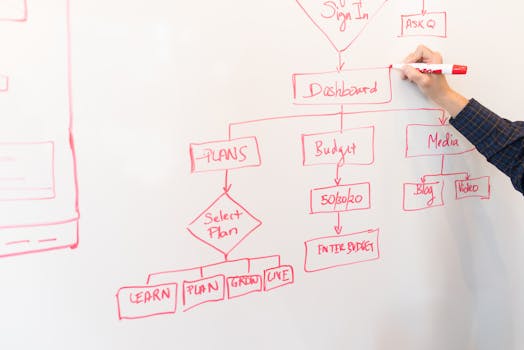
A person creates a flowchart diagram with red pen on a whiteboard, detailing plans and budgeting.Photo: Christina Morillo / Pexels
The dropshipping business model explained in its simplest form is a retail fulfillment method where a store doesn't keep the products it sells in stock. Instead, when a store sells a product, it purchases the item from a third party and has it shipped directly to the customer. As a result, the seller never sees or handles the product. This fundamental shift from traditional retail offers numerous advantages, primarily reducing the need for significant upfront capital and inventory management, which are often major barriers to entry for new ecommerce ventures. At its heart, dropshipping is about leveraging a supply chain that already exists. You, the dropshipper, become the front-facing brand, responsible for marketing, sales, and customer service. Your supplier handles the product sourcing, warehousing, packaging, and shipping. This division of labor allows entrepreneurs to focus their efforts on building a brand, driving traffic, and optimizing the customer experience, rather than getting bogged down in logistical complexities. The profit margin is derived from the difference between the price you charge the customer and the price the supplier charges you. For instance, if you sell a gadget for $50 and your supplier charges you $30 for that same gadget, your gross profit is $20. This model has democratized online selling, enabling individuals with limited resources to compete with larger retailers. The appeal of dropshipping lies in its flexibility and scalability. Without the constraints of physical inventory, you can offer a vast array of products from various suppliers without tying up capital in stock that might not sell. This also means you can easily test new products and niches without significant risk. If a product doesn't perform well, you simply remove it from your store; there's no dead stock to liquidate. Furthermore, dropshipping allows you to operate your business from anywhere in the world, as long as you have an internet connection. This geographical independence is a huge draw for digital nomads and those seeking a location-independent lifestyle. However, this ease of entry also means increased competition, making strategic product selection, effective marketing, and superior customer service paramount for success. Understanding these core mechanics is the first step towards building a sustainable and profitable dropshipping business.

The Advantages and Disadvantages of the Dropshipping Model

While the dropshipping business model explained offers exciting opportunities, it's crucial to understand both its benefits and drawbacks before diving in. One of the most significant advantages is the low startup capital required. Unlike traditional retail, you don't need to invest thousands of dollars in inventory upfront. This drastically reduces financial risk and makes entrepreneurship accessible to a wider audience. Another major benefit is the wide product selection. You can offer a diverse range of products to your customers without having to physically stock them. This allows for extensive market testing and the ability to pivot quickly if a product line isn't performing as expected. The flexibility of location is also a huge plus, as you can run your business from anywhere with an internet connection, offering unparalleled freedom and work-life balance. Scalability is another key advantage. As your business grows, you don't need to worry about managing a larger warehouse or hiring more staff to handle increased inventory. Your suppliers scale with you, fulfilling more orders as they come in. This allows you to focus on marketing and customer acquisition rather than logistical headaches. Furthermore, dropshipping can offer a lower risk for testing new products and markets. If a product doesn't sell, you haven't lost money on unsold inventory. This lean approach to product development is incredibly powerful for identifying profitable niches. However, dropshipping isn't without its challenges. One of the primary disadvantages is lower profit margins compared to traditional retail. Since you're buying individual items from suppliers at a slightly higher cost than bulk purchases, your per-item profit margin might be thinner, necessitating higher sales volumes to achieve substantial income. Inventory management can also be tricky, even though you don't hold stock. You rely on your supplier's inventory, and if they run out of stock unexpectedly, it can lead to customer dissatisfaction and cancellations. Quality control is another concern; since you never see the product, you're entirely dependent on your supplier for product quality and accurate descriptions. This makes choosing reliable suppliers paramount. Shipping complexities can also arise. If you source products from multiple suppliers, a customer ordering several items might receive them in separate packages at different times, leading to confusion and potentially higher shipping costs for you if you're offering free shipping. Customer service can also be challenging, as you're the face of the business but have limited control over fulfillment and product issues. Resolving disputes, handling returns, and managing expectations when delays occur all fall on your shoulders. Finally, competition is fierce due to the low barrier to entry. Standing out requires exceptional marketing, branding, and customer experience. Acknowledging these pros and cons is essential for developing a realistic and effective dropshipping strategy.

Building Your Dropshipping Empire: Key Steps to Success

Embarking on a dropshipping journey requires more than just understanding the basic model; it demands strategic planning and execution. The first crucial step after grasping the dropshipping business model explained is niche selection. Choosing the right niche is paramount for success. A good niche is one with sufficient demand, manageable competition, and products that solve a specific problem or cater to a passionate audience. Avoid overly saturated markets unless you have a unique selling proposition (USP) that truly differentiates you. Research trending products, analyze competitor stores, and use tools like Google Trends to identify opportunities. Your niche should also align with your interests, as passion can fuel persistence through challenges. Once your niche is defined, the next critical step is finding reliable suppliers. This is arguably the backbone of your dropshipping business. A bad supplier can sink your venture with poor product quality, slow shipping, or inadequate customer service. Look for suppliers with a proven track record, positive reviews, clear communication, and efficient order fulfillment. Platforms like AliExpress, SaleHoo, Worldwide Brands, and Doba are popular starting points, but always conduct due diligence. Order samples to personally assess product quality, packaging, and shipping times before offering products to your customers. Establishing a strong relationship with your suppliers is vital for long-term success, as they are an extension of your brand. With products and suppliers in place, you need to build your online store. Platforms like Shopify, WooCommerce, and BigCommerce offer user-friendly solutions for creating professional-looking ecommerce websites. Focus on creating an intuitive user experience, high-quality product images, compelling product descriptions, and a clear call to action. Your website is your storefront, so make it attractive and trustworthy. Optimize for mobile users, as a significant portion of online shopping happens on smartphones. Don't forget essential pages like About Us, Contact, FAQ, Shipping, and Return Policies, which build credibility and transparency. Finally, effective marketing is what drives sales. Even the best products and website won't sell if no one knows about them. Develop a comprehensive marketing strategy that may include social media marketing (Facebook, Instagram, TikTok), search engine optimization (SEO), paid advertising (Google Ads, Facebook Ads), email marketing, and influencer collaborations. Understand your target audience and where they spend their time online to tailor your marketing efforts. Continuously analyze your marketing performance, test different strategies, and optimize for conversions. Providing excellent customer service is also a powerful marketing tool; satisfied customers become repeat buyers and brand advocates, contributing to organic growth and a strong reputation in the competitive dropshipping landscape.

Avoiding Common Dropshipping Pitfalls: Tips for Longevity

While the dropshipping business model explained offers a low barrier to entry, avoiding common mistakes is crucial for long-term success. Many aspiring dropshippers falter by making easily preventable errors. Here are some key pitfalls to watch out for and how to navigate them: * **Poor Niche Selection:** Don't just chase trends. While trendy products can offer quick wins, they often have short lifespans and intense competition. Focus on evergreen niches with consistent demand, or find a unique angle within a popular niche. Thorough market research is non-negotiable. * **Neglecting Supplier Due Diligence:** This is a make-or-break aspect. Many newcomers rush into partnerships with the cheapest suppliers, leading to poor product quality, unreliable shipping, and communication breakdowns. Always vet suppliers thoroughly, read reviews, and order samples before committing. Establish clear communication channels and expectations. * **Lack of a Unique Selling Proposition (USP):** In a crowded market, simply selling products isn't enough. What makes your store different? Is it exceptional customer service, a highly curated product selection, unique branding, or compelling content? Define your USP and communicate it clearly to your target audience. * **Ignoring Customer Service:** Since you're the face of the business, customer service is paramount. Slow responses, unhelpful replies, or difficult return processes will quickly damage your reputation. Be proactive, responsive, and empathetic. Clear communication about shipping times and potential delays can mitigate many issues. * **Ineffective Marketing Strategy:** Many dropshippers rely solely on paid ads without understanding their target audience or optimizing their campaigns. Diversify your marketing efforts. Explore organic social media, content marketing, SEO, and email marketing. Continuously test and refine your ad creatives and targeting. * **Overlooking Legalities and Regulations:** Understand sales tax obligations, import duties, and consumer protection laws. Ensure your website has clear privacy policies, terms of service, and return policies. Compliance protects both you and your customers. * **Underestimating the Importance of Branding:** A generic store with no brand identity struggles to build trust and loyalty. Invest time in creating a cohesive brand image, including your logo, website design, tone of voice, and overall customer experience. A strong brand resonates with customers and encourages repeat purchases. * **Failing to Manage Expectations:** Be transparent with customers about shipping times, especially if sourcing internationally. It's better to under-promise and over-deliver than to face angry customers due to unexpected delays. Realistic expectations lead to happier customers.

Comparison

FeatureDropshippingTraditional RetailAffiliate Marketing
Inventory ManagementNoneHighNone
Startup CostLowHighVery Low
Profit MarginModerateHighLow (commission-based)
Control Over ProductLimitedHighNone
Shipping & FulfillmentSupplier handlesSeller handlesMerchant handles
Customer ServiceSeller handlesSeller handlesMerchant handles

What Our Readers Say

5 ★★★★★

"This guide truly breaks down the dropshipping business model explained in an easy-to-understand way. I've always been intimidated, but now I feel confident to start my own store. The supplier selection tips were particularly helpful!"

5 ★★★★★

"As an aspiring entrepreneur, the low startup cost aspect of dropshipping highlighted here is exactly what I needed to hear. The distinction between profit and revenue was very clear, preparing me for realistic expectations."

5 ★★★★★

"Following the advice in this article, I launched my dropshipping store selling pet accessories. Within three months, I've generated over $5,000 in sales! The focus on niche selection and marketing truly pays off."

4 ★★★★☆

"The article is comprehensive, though I wish there was a bit more detail on international shipping challenges. Still, it's an invaluable resource for understanding the dropshipping business model explained and its intricacies."

5 ★★★★★

"I've been running a small Etsy shop, but this breakdown of dropshipping has opened my eyes to scaling without inventory. The comparison table was super useful in visualizing the differences from my current model."

Frequently Asked Questions

What is the primary benefit of the dropshipping business model explained?
The primary benefit of the dropshipping business model is the significantly reduced startup capital required, as you don't need to purchase inventory upfront. This lowers financial risk and makes it an accessible option for many aspiring entrepreneurs to enter the ecommerce space.
Is dropshipping a legitimate and sustainable business model?
Yes, dropshipping is a legitimate and sustainable business model when executed correctly. While it has its challenges, many successful businesses operate using this model. Success hinges on finding reliable suppliers, offering quality products, providing excellent customer service, and effective marketing.
How do I find reliable dropshipping suppliers?
To find reliable dropshipping suppliers, start by exploring reputable directories like SaleHoo or Worldwide Brands, or platforms like AliExpress for global sourcing. Always conduct thorough due diligence: check reviews, communicate directly with suppliers, and order product samples to verify quality and shipping times before committing.
What are the typical profit margins for dropshipping?
Profit margins in dropshipping can vary widely, typically ranging from 15% to 40% or even higher, depending on the product, niche, supplier costs, and your pricing strategy. Lower margins are common for highly competitive, low-cost items, while unique or specialized products can command higher markups.
How does dropshipping compare to traditional retail?
Dropshipping differs from traditional retail primarily in inventory management: dropshippers don't hold any inventory, while traditional retailers do. This means dropshipping has lower startup costs and less risk but often comes with lower profit margins and less control over product quality and fulfillment compared to traditional retail.
Who is the dropshipping business model best suited for?
The dropshipping business model is best suited for aspiring entrepreneurs with limited capital, individuals seeking a flexible, location-independent business, or existing businesses looking to expand their product offerings without increasing inventory risk. It's ideal for those willing to focus on marketing, sales, and customer service.
What are the biggest risks associated with dropshipping?
The biggest risks in dropshipping include reliance on third-party suppliers for product quality and fulfillment, potential for low profit margins, intense competition, and challenges with customer service due to factors outside your direct control like shipping delays or product defects. Supplier reliability is paramount to mitigate these risks.
What is the future outlook for dropshipping?
The future outlook for dropshipping remains positive, with continued growth in ecommerce. As technology advances and global supply chains become more integrated, dropshipping will likely evolve with more sophisticated tools, faster shipping options, and increased emphasis on niche markets and strong brand building to stand out in a competitive landscape.

Now that the dropshipping business model explained has clarified your path, it's time to take action. Start researching your niche, find reliable suppliers, and build your online store to unlock the potential of a flexible, inventory-free eCommerce venture today. Your entrepreneurial journey awaits!

Topics: dropshipping business model explainedecommerce dropshippingstart dropshippingonline store without inventorydropshipping guide
Leo List
Brampton weed
Adultwork