Dropshipping Business Model Explained: Your Ultimate Guide
dropshipping business model explained

Dropshipping Business Model Explained: Your Ultimate Guide

Discover the ins and outs of dropshipping to build a successful online store with minimal upfront investment and maximum flexibility.

Start Your Dropshipping Journey

Key Takeaways

  • ✓ No inventory management required
  • ✓ Low startup costs compared to traditional retail
  • ✓ Wide product selection potential
  • ✓ Location independent business
  • ✓ Scalable with proper strategy

How It Works

1
Customer Places Order

A customer visits your online store and purchases a product. Your store automatically or manually sends the order details to your dropshipping supplier.

2
You Pay the Supplier

You pay the supplier the wholesale price for the item. The difference between your retail price and the wholesale price is your profit margin.

3
Supplier Ships Product

The dropshipping supplier receives the order and payment, then packs and ships the product directly to your customer under your brand name.

4
Customer Receives Order

Your customer receives the product, often unaware that it came from a third-party supplier. Your role is primarily marketing and customer service.

Understanding the Core Concepts of Dropshipping
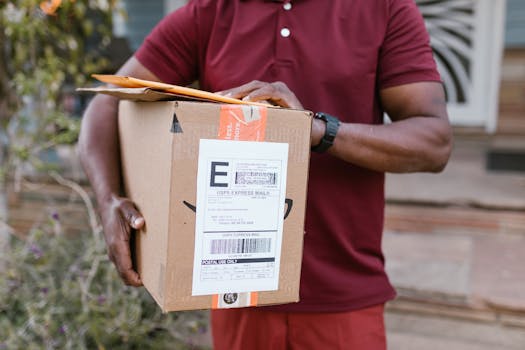
Close-up of a courier delivering a parcel with USPS express mail label outdoors. Photo: RDNE Stock project / Pexels
The dropshipping business model has revolutionized the ecommerce landscape, offering an accessible entry point for aspiring entrepreneurs. At its heart, dropshipping is a retail fulfillment method where a store doesn't keep the products it sells in stock. Instead, when a store sells a product, it purchases the item from a third party and has it shipped directly to the customer. This means the seller never sees or handles the product directly. This fundamental shift from traditional retail eliminates several major hurdles, making it an attractive option for many. One of the most compelling aspects of this model is the drastically reduced need for upfront capital. Unlike traditional retail, which demands significant investment in inventory, warehousing, and logistics, dropshipping sidesteps these costs entirely. You don't buy products until a customer has already paid you for them, effectively operating with a positive cash flow from day one. This low barrier to entry democratizes entrepreneurship, allowing individuals with limited financial resources to launch an online business. The capital that would otherwise be tied up in inventory can instead be allocated to marketing, website development, or other growth-oriented activities, accelerating your business's trajectory. Furthermore, the dropshipping model offers unparalleled flexibility. Without the constraints of physical inventory, you can offer a vast array of products from various suppliers without worrying about storage space or unsold stock. This agility allows you to quickly adapt to market trends, test new product lines, and pivot your offerings based on customer demand. Imagine being able to switch out an entire product category in a matter of hours, rather than weeks or months, simply by updating your online catalog. This responsiveness is a significant competitive advantage in the fast-paced world of online retail. The ability to operate your business from anywhere with an internet connection further enhances this flexibility. Whether you're working from a home office, a co-working space, or even while traveling, your dropshipping store remains operational, processing orders and serving customers around the globe. This geographical independence is a dream for many, providing a work-life balance that traditional businesses often cannot. Understanding these core concepts is the first step towards building a successful and sustainable dropshipping venture.

Setting Up Your Dropshipping Store: A Step-by-Step Guide

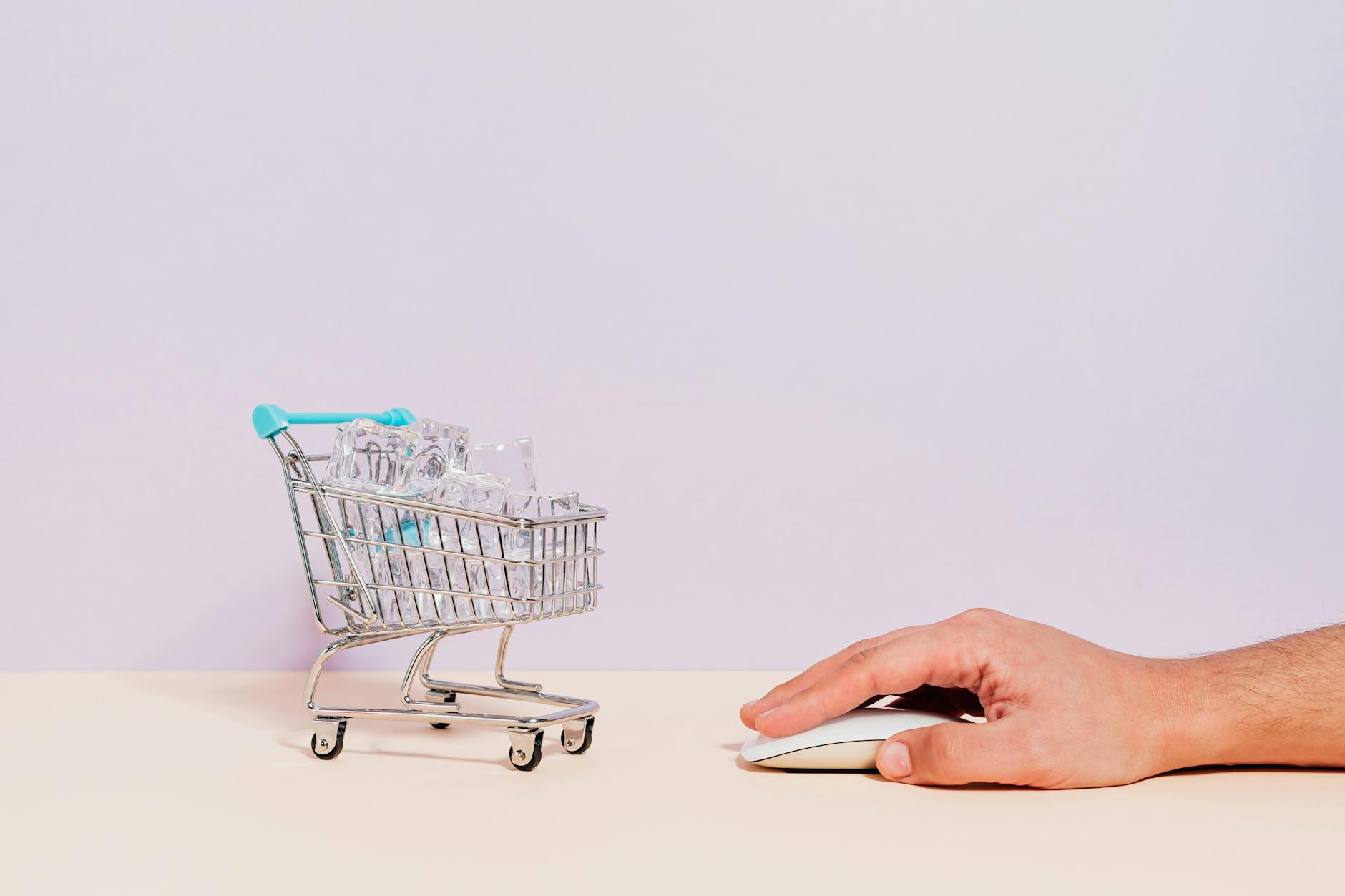
Minimalist setup featuring a Cyber Monday sale sign and computer mouse, perfect for online shopping themes. Photo: www.kaboompics.com / Pexels
Embarking on your dropshipping journey requires a structured approach, starting with meticulous planning and execution. The first critical step is niche selection. Identifying a profitable niche is paramount to your success. Instead of trying to sell everything to everyone, focus on a specific product category or target audience with unmet needs. Research trending products, analyze competitor offerings, and leverage tools like Google Trends or product research platforms to pinpoint high-demand, low-competition items. A well-defined niche allows for targeted marketing efforts and helps you establish authority in a specific market segment, making it easier to attract and retain customers. Once your niche is clear, the next crucial phase involves finding reliable suppliers. This is arguably the backbone of your dropshipping business. Reputable suppliers ensure product quality, efficient shipping, and responsive customer service – all vital components for building customer trust and minimizing issues. Platforms like AliExpress, SaleHoo, Worldwide Brands, or specialized dropshipping apps integrated with ecommerce platforms are excellent starting points. When evaluating suppliers, consider their product range, pricing structure, shipping times (especially for the US market), return policies, and communication responsiveness. It's often beneficial to order samples yourself to assess product quality and packaging firsthand before committing to a supplier. Building your online store is the final foundational piece. Popular ecommerce platforms like Shopify, WooCommerce, or BigCommerce offer user-friendly interfaces and robust features tailored for dropshipping. Choose a platform that aligns with your technical comfort level and budget. Your website should be visually appealing, easy to navigate, mobile-responsive, and optimized for conversions. High-quality product images, compelling descriptions, clear pricing, and a streamlined checkout process are non-negotiable. Integrate essential apps for order fulfillment, customer support, and marketing automation to streamline operations. Remember, your store is your digital storefront; it needs to be professional and trustworthy to convert visitors into loyal customers. Investing time in these initial setup stages will lay a strong foundation for long-term success.

Marketing Your Dropshipping Business for Growth

Even with the perfect product and a polished store, success in dropshipping hinges on effective marketing. Getting your products in front of the right audience is crucial, and a multi-channel approach often yields the best results. Social media marketing is an indispensable tool for dropshippers. Platforms like Facebook, Instagram, TikTok, and Pinterest offer powerful advertising capabilities to target specific demographics, interests, and behaviors. Create engaging content, run targeted ad campaigns, and leverage influencer marketing to expand your reach. Visual platforms are particularly effective for showcasing products and inspiring purchases. Experiment with different ad creatives and messaging to identify what resonates most with your target audience. Search Engine Optimization (SEO) is another long-term strategy that pays dividends. Optimizing your product pages and blog content with relevant keywords will help your store rank higher in search engine results, driving organic traffic over time. This involves crafting keyword-rich product descriptions, using appropriate header tags, ensuring fast page load times, and building quality backlinks. While SEO can take time to show results, the sustained, free traffic it generates is invaluable. Complementing SEO with paid search advertising (e.g., Google Ads) can provide immediate visibility, especially for highly competitive products or during seasonal peaks. Email marketing remains one of the most cost-effective ways to nurture leads and drive repeat sales. Build an email list from day one by offering incentives like discounts or exclusive content. Use email campaigns to announce new products, promote sales, send abandoned cart reminders, and provide valuable content related to your niche. Personalization and segmentation can significantly improve engagement rates. Furthermore, focusing on exceptional customer service is a form of marketing in itself. Positive customer experiences lead to word-of-mouth referrals and glowing reviews, which are incredibly powerful in building brand credibility and trust. Prompt responses, clear communication, and efficient problem-solving can turn a one-time buyer into a loyal advocate, contributing significantly to the sustained growth of your ecommerce business. By strategically combining these marketing channels, you can effectively scale your dropshipping venture and achieve sustainable growth.

Avoiding Common Pitfalls and Scaling Your Dropshipping Venture

While the dropshipping business model offers incredible opportunities, it's not without its challenges. Awareness of common pitfalls and strategic planning to overcome them are essential for long-term success. One major issue is managing customer expectations regarding shipping times. Many dropshipping suppliers, especially those overseas, can have longer delivery windows. Transparency is key; clearly communicate estimated shipping times on your product pages and during checkout to avoid customer frustration. Another pitfall is dealing with returns and refunds. Establish a clear, fair, and easy-to-understand return policy and communicate it effectively. Work closely with your suppliers to streamline the return process, as this can significantly impact customer satisfaction. Product quality and supplier reliability are also critical. Subpar products or unresponsive suppliers can quickly damage your brand reputation. Continuously vet your suppliers, read reviews, and consider having a backup supplier for popular items. Building strong relationships with a few trusted suppliers is far better than working with many unreliable ones. Lastly, beware of legal and tax implications. Understand sales tax requirements in the US, especially for states where your customers reside. Consult with a tax professional to ensure compliance. To scale your dropshipping business effectively, consider these strategies: * **Automate Processes:** Utilize apps and software for order fulfillment, inventory management, and customer support to free up your time for strategic tasks. * **Diversify Product Offerings:** Once your initial niche is stable, explore complementary products or expand into related niches to capture more market share. * **Build a Strong Brand:** Invest in branding beyond just a logo. Develop a consistent brand voice, visual identity, and customer experience that differentiates you from competitors. * **Optimize Marketing Spend:** Continuously analyze your advertising campaigns, A/B test creatives, and refine your targeting to maximize ROI. * **Focus on Customer Retention:** Implement loyalty programs, exceptional post-purchase support, and personalized communication to encourage repeat purchases. * **Expand Geographically:** Once successful in the US, consider expanding to other countries, ensuring you understand local market nuances and regulations. By proactively addressing these potential challenges and implementing strategic growth initiatives, you can build a robust and highly scalable dropshipping business.

Comparison

FeatureDropshippingTraditional RetailAffiliate Marketing
Initial InvestmentLowHighVery Low
Inventory ManagementNoneHighNone
Product ControlLimitedFullNone
Profit MarginsModerateHighLow (commission-based)
Shipping & FulfillmentSupplier HandlesSeller HandlesMerchant Handles
Customer ServiceSeller HandlesSeller HandlesMerchant Handles
ScalabilityHighModerateHigh
Risk LevelModerateHighLow

What Readers Say

"This guide made the dropshipping business model explained so clear! I was overwhelmed before, but now I feel confident in taking the first steps to launch my store. The supplier section was particularly helpful."

Sarah J. · Austin, TX

"As an aspiring entrepreneur, the low startup cost of dropshipping was appealing. This article really broke down how it works and the key considerations for building a successful online store. Excellent resource!"

Mark D. · Miami, FL

"I followed the advice in this guide for my niche selection and marketing strategy. Within three months, I've seen a 20% increase in my monthly revenue. The tips on avoiding pitfalls were also invaluable."

Jessica L. · Seattle, WA

"The information on the dropshipping business model explained is comprehensive. While some aspects like supplier vetting still feel challenging, the article provides a solid framework to start. Good overview for beginners."

Kevin P. · Chicago, IL

"I'm a stay-at-home parent looking for flexible income, and dropshipping seemed perfect. This article confirmed my thoughts and gave me a clear roadmap. The emphasis on customer service resonated with me."

Emily R. · Denver, CO

Frequently Asked Questions

Is dropshipping still profitable in 2024?

Yes, dropshipping remains highly profitable in 2024, especially for those who focus on niche markets, excellent customer service, and effective marketing. While competition has increased, strategic product selection and brand building can lead to significant success.

What are the biggest risks associated with dropshipping?

The biggest risks include unreliable suppliers, long shipping times, intense competition, and low profit margins if not managed correctly. Mitigating these risks requires thorough supplier vetting, clear communication with customers, and strategic pricing.

How do I find reliable dropshipping suppliers for the US market?

To find reliable US dropshipping suppliers, use platforms like SaleHoo, Worldwide Brands, or Spocket, which focus on US-based suppliers. Look for suppliers with positive reviews, clear communication, fast shipping, and good return policies. Ordering samples is also recommended.

What are the typical startup costs for a dropshipping business?

Startup costs for dropshipping are relatively low, typically ranging from $100 to $500. This primarily covers your ecommerce platform subscription (e.g., Shopify), domain name, and initial marketing expenses. Inventory costs are eliminated, making it very accessible.

How does dropshipping compare to a traditional online store?

Dropshipping differs from a traditional online store primarily in inventory management. Dropshippers don't hold stock, relying on third-party suppliers for fulfillment, which reduces overhead and risk. Traditional stores manage their own inventory, offering more control but higher capital requirements.

Who is the dropshipping business model best suited for?

The dropshipping business model is best suited for aspiring entrepreneurs with limited startup capital, those seeking a flexible, location-independent business, and individuals keen on learning digital marketing and ecommerce without the complexities of inventory management.

Is dropshipping a legitimate business model?

Absolutely. Dropshipping is a legitimate and widely adopted retail fulfillment model used by countless successful ecommerce businesses, from small startups to large retailers. Its legality and ethical standing depend entirely on operating with transparency and integrity.

What are the future trends for dropshipping?

Future trends in dropshipping include a greater focus on niche specialization, personalized customer experiences, ethical sourcing, faster shipping (especially from domestic suppliers), and leveraging AI for product recommendations and customer service automation. Building a strong brand will be more crucial than ever.

Ready to launch your own online venture with minimal risk and maximum flexibility? Dive into the dropshipping business model explained in this guide and start building your ecommerce empire today. Your journey to financial independence begins now.

Topics: dropshipping business model explaineddropshipping guideecommerce without inventorystart dropshipping USonline store setup
Leo List
Brampton weed
Adultwork