Unlocking Growth: Your Essential Ecommerce Trends 2024 Report
ecommerce trends 2024 report

Unlocking Growth: Your Essential Ecommerce Trends 2024 Report

Dive deep into the pivotal shifts and emerging opportunities shaping the online retail landscape in the coming year, empowering your business to thrive.

Download Your Report Now

Key Takeaways

  • ✓ Personalization and hyper-targeted marketing are no longer optional, but essential for customer retention.
  • ✓ AI and automation are transforming operations from customer service to supply chain efficiency.
  • ✓ Sustainability and ethical practices are becoming non-negotiable for conscious consumers.
  • ✓ The lines between online and offline shopping continue to blur with omnichannel integration.

How It Works

1
Understand the Landscape

Our report provides a panoramic view of the current and projected ecommerce environment. Grasp the macro and micro forces at play that will impact your business.

2
Identify Key Trends

We break down the most impactful trends, from technological advancements to evolving consumer behaviors. Pinpoint the trends most relevant to your specific niche and customer base.

3
Develop Actionable Strategies

Beyond just reporting, we offer practical, implementable strategies for each trend. Translate insights into concrete plans that drive measurable results for your ecommerce venture.

4
Future-Proof Your Business

By integrating these insights, you'll be better equipped to adapt to market changes and stay ahead of the competition. Position your brand for sustained success in a dynamic digital world.

The Rise of Hyper-Personalization and AI-Driven Experiences

Overhead view of a woman using a tablet for online shopping surrounded by shopping bags and cards. Photo: Nataliya Vaitkevich / Pexels
In 2024, the expectation for personalized shopping experiences will escalate from a 'nice-to-have' to a fundamental requirement for ecommerce success. Consumers are increasingly accustomed to tailored recommendations, dynamic content, and customized interactions across all digital touchpoints. This shift is largely powered by advancements in Artificial Intelligence (AI) and Machine Learning (ML), which allow retailers to analyze vast quantities of data – from browsing history and purchase patterns to demographic information and real-time behavior – to create incredibly precise customer profiles. The goal is to move beyond simple 'you might also like' suggestions and towards genuinely predictive and proactive personalization. Imagine an online store that anticipates your needs before you even articulate them, suggesting products based on your lifestyle, recent events, or even local weather conditions. AI algorithms are becoming sophisticated enough to understand subtle cues, such as the intent behind a search query or the emotional tone of a customer service interaction, enabling brands to deliver truly relevant and timely engagements. This extends to every stage of the customer journey, from initial discovery through to post-purchase support. For instance, AI can optimize product sorting and search results, personalize email marketing campaigns with dynamic content, and even tailor website layouts based on individual visitor preferences. Furthermore, AI-powered chatbots are evolving beyond basic FAQ responses, offering more natural language processing capabilities and the ability to handle complex customer service inquiries, thereby enhancing efficiency and customer satisfaction. The imperative for businesses is to invest in robust data analytics platforms and AI tools that can effectively gather, process, and act upon customer data while maintaining strict privacy standards. Ethical data practices will be paramount, as consumers are becoming more discerning about how their information is used. Brands that can master this balance – leveraging AI for deep personalization without being intrusive – will forge stronger customer loyalty and significantly boost conversion rates. This trend also opens doors for innovative product discovery, allowing smaller businesses to surface niche products to highly relevant audiences, competing more effectively with larger retailers. The future of online shopping is unequivocally personal, and AI is the engine driving this transformative experience. For deeper insights into leveraging these technologies, explore our guide on AI in ecommerce. This evolution demands a strategic overhaul of traditional marketing and sales approaches, pushing businesses to adopt a data-first mentality where every customer interaction is an opportunity to learn and refine the personalized journey. The integration of AI also means a more efficient allocation of marketing spend, as campaigns can be hyper-targeted, reducing wasted impressions and increasing ROI. Moreover, AI can predict future purchasing behavior, allowing for proactive inventory management and demand forecasting, minimizing stockouts and overstock situations. This comprehensive approach to personalization, fueled by AI, is not just about selling more; it's about building lasting relationships with customers by demonstrating a genuine understanding of their individual needs and preferences. The competitive edge in 2024 will belong to those who can deliver the most intelligent and empathetic digital experiences.

Sustainability and Ethical Commerce: More Than Just a Buzzword

Image of smartphone displaying 'PAY' surrounded by dice spelling 'online shopping' on teal background. Photo: Nataliya Vaitkevich / Pexels
The consciousness of consumers regarding environmental and social impact is no longer a niche concern; it's a mainstream driver of purchasing decisions. In 2024, brands that genuinely embrace sustainability and ethical practices across their entire supply chain will gain a significant competitive advantage, while those that pay mere lip service will face increasing scrutiny and potential backlash. Consumers, particularly younger demographics, are actively seeking out brands that align with their values, prioritizing products that are ethically sourced, environmentally friendly, and produced under fair labor conditions. This means transparency is paramount. Shoppers want to know where products come from, how they are made, and what impact they have on the planet and its people. Ecommerce businesses must be prepared to provide detailed information about their sourcing, manufacturing processes, packaging, and carbon footprint. Initiatives like carbon-neutral shipping, recyclable or biodegradable packaging, and partnerships with ethical suppliers are becoming table stakes. Furthermore, the concept of circular economy principles is gaining traction, with brands exploring models that encourage product longevity, repairability, and recycling. This could include offering take-back programs for old products, providing repair services, or designing products for modularity and easy component replacement. Beyond environmental concerns, social responsibility is equally important. This encompasses fair wages, safe working conditions, diversity and inclusion initiatives, and support for local communities. Brands that can demonstrate a clear commitment to these values, backed by verifiable actions and certifications, will build trust and loyalty among a growing segment of conscious consumers. The challenge for ecommerce businesses lies in authentic communication. Greenwashing – making misleading claims about environmental practices – is easily detected by today's informed consumers and can severely damage a brand's reputation. Instead, genuine commitment, transparent reporting, and continuous improvement are key. Integrating sustainability into the core business model, rather than treating it as a separate initiative, is essential. This can lead to innovations in product design, logistics, and even marketing strategies that resonate deeply with the target audience. The shift towards sustainable and ethical commerce is not just about compliance; it's about building a resilient, future-proof business that contributes positively to society and the environment, attracting a loyal customer base that values more than just price and convenience. This commitment also extends to the entire digital infrastructure supporting ecommerce. Data centers, for example, have a significant carbon footprint. Brands that choose hosting providers powered by renewable energy or invest in energy-efficient cloud solutions can further bolster their sustainability credentials. Supply chain optimization, reducing waste at every step from manufacturing to delivery, is another critical area. Leveraging technology to track and trace products, ensuring ethical sourcing and minimizing transportation emissions, becomes a powerful differentiator. The trend also fuels the growth of niche markets for eco-friendly products, allowing smaller, purpose-driven brands to thrive by directly addressing consumer demand for sustainable alternatives. Ultimately, integrating sustainability and ethical practices isn't just a moral imperative; it's a strategic business decision that enhances brand reputation, fosters customer loyalty, and can even lead to operational efficiencies and cost savings in the long run.

The Blurring Lines: Omnichannel and Experiential Commerce
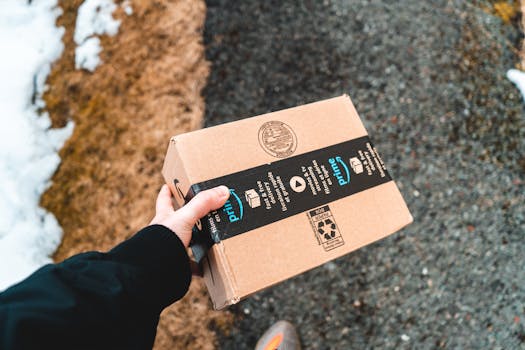
A person holding a cardboard Amazon Prime package on a snowy urban sidewalk. Photo: Erik Mclean / Pexels
The traditional distinction between online and offline shopping continues to erode, giving way to a truly integrated omnichannel experience that prioritizes seamless customer journeys. In 2024, successful ecommerce businesses will be those that can fluidly connect all touchpoints – website, mobile app, social media, physical stores, and even emerging metaverse platforms – into a cohesive and consistent brand narrative. Consumers no longer think in terms of 'online shopping' or 'in-store shopping'; they expect to interact with a brand wherever and whenever it's most convenient for them. This means features like 'buy online, pick up in-store' (BOPIS) or 'ship from store' are becoming standard offerings, not novelties. The physical store is evolving from a mere point of sale to an experiential hub, a showroom, or a fulfillment center, complementing the digital experience. Conversely, digital channels are being leveraged to enhance the in-store visit, with technologies like augmented reality (AR) for virtual try-ons or interactive displays providing additional product information. The focus is on creating a holistic experience where the customer feels recognized and valued, regardless of the channel they choose. Data integration is crucial here: customer profiles and purchase histories must be accessible across all platforms, allowing for personalized recommendations and consistent service. Imagine a customer browsing a product online, adding it to their cart, and then walking into a physical store where a sales associate can immediately access their online cart and offer assistance. This level of integration builds trust and significantly improves customer satisfaction. Beyond mere convenience, experiential commerce is gaining traction. This involves creating engaging and memorable interactions that go beyond the transactional. Think virtual events, interactive product configurators, gamified shopping experiences, or even leveraging virtual reality (VR) to transport customers into a brand's world. These experiences aim to build an emotional connection with the brand, fostering loyalty and advocacy. Social commerce, where purchasing happens directly within social media platforms, will also continue its rapid growth, further blurring the lines between browsing, discovery, and buying. Brands must develop comprehensive strategies that consider every potential customer touchpoint, ensuring a unified brand voice and consistent user experience. This requires significant investment in technology, data infrastructure, and employee training to empower staff across all channels. For more on optimizing customer paths, see our article on omnichannel marketing strategies. The goal is to eliminate friction and create a continuous, delightful journey that converts casual browsers into loyal brand advocates. The integration of data across all channels is not merely for personalization; it also provides invaluable insights into customer behavior, allowing businesses to identify pain points, optimize processes, and refine their overall strategy. For instance, understanding how online browsing influences in-store purchases, or vice versa, can inform inventory management, marketing campaigns, and even store layouts. This holistic view is critical for maximizing both operational efficiency and customer lifetime value. Furthermore, the rise of live shopping and shoppable content on platforms like TikTok and Instagram exemplifies this trend, turning entertainment into immediate purchase opportunities. Brands that can seamlessly weave their products into engaging, interactive narratives across multiple channels will be best positioned to capture the attention and wallets of modern consumers.

Optimizing for Mobile and Emerging Commerce Platforms: Tips for Success

A smartphone displaying an ecommerce site with a credit card, set on a wooden surface, depicting online shopping. Photo: Ivan S / Pexels
The mobile device remains the primary gateway to online shopping for a vast majority of consumers, and its dominance will only solidify in 2024. Optimizing the mobile experience is no longer about just having a responsive website; it's about creating intuitive, fast, and feature-rich mobile-first interfaces that cater to on-the-go purchasing habits. This means prioritizing speed, simplifying navigation, ensuring large, tappable elements, and streamlining the checkout process to minimize friction. Beyond traditional mobile websites and apps, businesses must also pay close attention to emerging commerce platforms. Social commerce, where direct purchasing occurs within social media feeds, is exploding. Platforms like Instagram, TikTok, and Pinterest are continuously rolling out new shopping features, from shoppable posts and stories to live stream shopping events. Brands need to actively engage on these platforms, creating native content that naturally integrates product discovery and purchase options. Voice commerce, powered by smart speakers and digital assistants, is another area with significant growth potential. While still nascent for complex purchases, optimizing product listings for voice search and ensuring seamless voice-activated ordering can capture an early adopter market. Furthermore, the metaverse, while still in its early stages, presents a long-term opportunity for immersive and experiential commerce. Brands that begin experimenting with virtual storefronts, digital product twins, and NFTs in virtual worlds can position themselves as innovators. Here are some key tips for optimizing for mobile and emerging platforms: * **Prioritize Page Load Speed:** Even a one-second delay can drastically increase bounce rates. Compress images, leverage caching, and minimize code. * **Simplify Navigation and Checkout:** Mobile users have less patience. Use clear calls to action, guest checkout options, and autofill features. * **Leverage Social Commerce Tools:** Actively use shoppable tags, product stickers, and live shopping features on platforms where your audience congregates. * **Invest in Progressive Web Apps (PWAs):** PWAs offer app-like experiences without requiring a download, providing speed and offline capabilities. * **Optimize for Voice Search:** Use natural language keywords in product descriptions and FAQs to be found by voice assistants. * **Experiment with AR/VR:** Offer virtual try-ons or 3D product views to enhance the mobile shopping experience. * **Personalize Mobile Content:** Use AI to deliver tailored recommendations and dynamic content based on mobile browsing behavior. * **Ensure Seamless Cross-Device Experience:** Allow customers to start shopping on one device and seamlessly continue on another. By embracing these strategies, ecommerce businesses can ensure they are not only meeting but exceeding the expectations of the modern, mobile-first consumer across a diverse and evolving digital landscape.

Comparison

Trend CategoryBest Implementation StrategyAlternative/Emerging ApproachCommon Pitfall
PersonalizationAI-driven dynamic content & recommendationsSegmented email marketingGeneric messaging
SustainabilityTransparent supply chain & eco-friendly packagingCarbon-neutral shippingGreenwashing
OmnichannelIntegrated BOPIS & cross-channel dataCurbside pickupSiloed customer data
Mobile/EmergingPWA & social commerce integrationVoice commerce optimizationNon-responsive design

What Readers Say

"This ecommerce trends 2024 report was incredibly insightful for my online boutique. The section on AI personalization gave me actionable steps to revamp my customer journey, and I'm already seeing higher engagement."

Sarah J. · Austin, TX

"As a veteran in ecommerce, I'm always looking for fresh perspectives. This report delivered! The depth on sustainable practices and ethical sourcing is exactly what I needed to guide my brand's next phase."

Mark D. · Miami, FL

"The guidance on omnichannel strategies in this ecommerce trends 2024 report helped us finally connect our online and in-store customer data. Our customer satisfaction scores have jumped by 15% since implementation!"

Emily R. · Seattle, WA

"A very thorough overview of upcoming trends. While some sections felt a bit advanced for a small business just starting, the core insights on mobile optimization were invaluable. Definitely worth the read for strategic planning."

David K. · Chicago, IL

"I manage marketing for a D2C brand, and this ecommerce trends 2024 report is my new bible. The practical tips for leveraging social commerce are already being integrated into our Q1 campaigns, expecting significant ROI."

Jessica L. · Denver, CO

Frequently Asked Questions

What are the most critical ecommerce trends for 2024?

The most critical trends for 2024 include hyper-personalization driven by AI, a strong emphasis on sustainability and ethical practices, the continued blurring of online and offline experiences through omnichannel strategies, and optimizing for mobile and emerging commerce platforms like social and voice commerce. These trends collectively shape consumer expectations and competitive landscapes.

How can small businesses compete with larger retailers in 2024?

Small businesses can compete by leveraging niche markets, excelling in personalized customer service, embracing local community engagement, and being agile in adopting new technologies like AI for efficiency. Focusing on unique value propositions, building strong brand narratives around sustainability, and creating authentic connections through social media can also provide a significant edge.

How do I implement AI personalization in my ecommerce store?

Implementing AI personalization typically involves integrating AI-powered recommendation engines, utilizing dynamic content platforms that adapt to user behavior, and employing AI chatbots for customer service. Start by collecting robust customer data, then choose AI tools that can analyze this data to provide tailored product suggestions, personalized emails, and customized website experiences.

What is the expected ROI for investing in sustainable ecommerce practices?

While direct ROI can vary, investing in sustainable ecommerce practices typically yields benefits such as enhanced brand reputation, increased customer loyalty (especially among conscious consumers), potential cost savings through reduced waste and optimized logistics, and improved access to ethical supply chains. These factors contribute to long-term business resilience and growth, even if immediate financial returns aren't always quantifiable.

How does omnichannel commerce differ from multi-channel commerce?

Multi-channel commerce involves using several channels (e.g., website, store, social media) independently. Omnichannel commerce, however, integrates all these channels into a single, seamless, and consistent customer experience, where data and interactions flow freely between them. The key difference is the customer-centric, unified journey in omnichannel versus separate experiences in multi-channel.

Who should read this ecommerce trends 2024 report?

This ecommerce trends 2024 report is essential reading for online business owners, marketing managers, ecommerce strategists, digital entrepreneurs, and anyone involved in the planning or execution of online retail operations. It provides valuable insights for both established brands looking to innovate and startups aiming to build a future-proof foundation.

Are there risks associated with new ecommerce technologies like AI?

Yes, risks with new ecommerce technologies like AI include data privacy concerns, algorithmic bias leading to unfair or inaccurate recommendations, the need for significant initial investment, and the potential for over-automation to depersonalize customer interactions. It's crucial to implement these technologies ethically, with robust security measures and a balanced human-AI approach.

What's the future of physical stores in an ecommerce-dominated world?

Physical stores are evolving from mere sales points to experiential hubs, showrooms, and fulfillment centers that complement online sales. They will serve as brand touchpoints for discovery, returns, local pickup, and engaging customer experiences, rather than solely transactional spaces. The future sees a symbiotic relationship where physical and digital enhance each other.

Stay ahead of the curve and transform your online business. Download our full ecommerce trends 2024 report today to gain unparalleled insights and actionable strategies that will drive your growth and secure your competitive edge in the dynamic digital marketplace.

Topics: ecommerce trends 2024 reportonline retail futuredigital commerce strategiesconsumer behavior 2024ecommerce innovation
Leo List
Brampton weed
Adultwork