✓ 93% of online experiences start with a search engine.
✓ Email marketing yields an average ROI of $42 for every $1 spent.
✓ Social media influences 71% of consumer buying decisions.
✓ Personalized experiences can increase sales by 20%.
How It Works
1
Understand Your Audience & Niche
Before any marketing, define who you're selling to and what makes your store unique. This foundational understanding guides all subsequent efforts, ensuring your message resonates with the right people.
2
Build a Strong Digital Foundation
Optimize your website for search engines (SEO) and user experience. A fast, mobile-friendly, and easy-to-navigate store is crucial for converting visitors into customers and supporting all marketing initiatives.
3
Implement Diverse Marketing Channels
Utilize a mix of paid and organic strategies like social media, email, content marketing, and paid ads. Diversifying your channels helps reach a broader audience and reduces reliance on any single platform.
4
Analyze, Optimize & Scale
Continuously monitor your marketing performance using analytics tools. Identify what works, refine your strategies, and scale successful campaigns to achieve sustained growth and profitability for your online store.
Building Your E-commerce Marketing Foundation: Audience & Branding
Photo: Angela Roma / Pexels
Before you even consider which channels to use, a successful marketing strategy for an online store begins with a deep understanding of your target audience and a crystal-clear brand identity. Without these foundational elements, your marketing efforts will be like shouting into the void – expensive and ineffective. Who are you trying to reach? What problems do your products solve for them? What are their demographics, psychographics, online behaviors, and purchasing habits? Creating detailed buyer personas is not just a theoretical exercise; it's a critical step that informs every piece of content, every ad copy, and every platform you choose. For instance, if your target audience is Gen Z, TikTok and Instagram might be more effective than Facebook or LinkedIn. If you're selling high-end luxury goods, your messaging and imagery will differ significantly from a store selling budget-friendly everyday items. Conduct market research, analyze competitor strategies, and even survey your initial customers to build these comprehensive profiles. Understanding your market is paramount.
Simultaneously, your brand identity needs to be robust and consistent. This encompasses more than just a logo; it includes your brand voice, values, visual aesthetics, and the unique story you tell. What makes your store different from the countless others? Is it your commitment to sustainability, your handcrafted quality, your exceptional customer service, or your playful and quirky personality? Your brand identity should shine through in every interaction, from your website design and product descriptions to your social media posts and customer service responses. A strong brand fosters trust, builds loyalty, and creates an emotional connection with your customers. This connection is what transforms one-time buyers into repeat customers and brand advocates. Think about iconic brands like Apple or Nike – their success isn't just about their products, but about the powerful stories and identities they’ve cultivated. Your marketing efforts will be infinitely more impactful when they are anchored in a well-defined audience and an authentic, compelling brand. This clarity allows you to craft messages that truly resonate, attracting the right customers who are more likely to convert and stick around.
Mastering Organic Growth: SEO & Content Marketing for E-commerce
Photo: Atlantic Ambience / Pexels
Once your foundation is solid, the next crucial step in how to market an online store is to drive organic traffic through Search Engine Optimization (SEO) and content marketing. Organic traffic is invaluable because it's free (after the initial investment of time and resources) and highly targeted. When someone searches for a product or solution you offer, and your store appears high in the search results, they are already in a buying mindset. Effective SEO for e-commerce involves several layers. Start with comprehensive keyword research to identify what your potential customers are typing into search engines. This includes product-specific keywords, category keywords, and informational queries related to your niche. Integrate these keywords naturally into your product titles, descriptions, meta tags, and category pages. Technical SEO is also vital; ensure your website has a fast loading speed, is mobile-responsive, has a clear site structure, and uses secure HTTPS protocol. Google prioritizes websites that offer a seamless user experience, and these technical aspects play a significant role.
Content marketing works hand-in-hand with SEO. Beyond just product pages, create valuable, informative, and engaging content that addresses your audience's needs and interests. This could include blog posts, buying guides, how-to articles, video tutorials, and infographics. For example, if you sell artisanal coffee, a blog post titled 'The Ultimate Guide to Brewing the Perfect Cold Brew at Home' can attract coffee enthusiasts who might then discover your products. This type of content not only establishes your store as an authority in your niche but also provides more opportunities to rank for relevant keywords, drive traffic, and nurture potential customers. Each piece of content should offer genuine value, demonstrate your expertise, and subtly guide readers towards your products. Don't just sell; educate and inspire. Regularly updating your content and ensuring it's high-quality will signal to search engines that your site is a valuable resource, improving your search rankings over time. This long-term strategy builds trust and positions your online store as a go-to destination for both products and information.
Leveraging Paid Channels & Social Engagement for Sales
Photo: Shoper .pl / Pexels
While organic growth is a long-term play, paid advertising and active social media engagement offer immediate visibility and accelerated growth for your online store. Paid channels like Google Ads, social media advertising (Facebook, Instagram, Pinterest, TikTok), and display ads allow you to target specific demographics, interests, and behaviors with precision. Google Shopping Ads, in particular, are incredibly effective for e-commerce as they display your products directly in search results, complete with images, prices, and store names. Crafting compelling ad copy, optimizing your product feeds, and continually A/B testing your campaigns are crucial for maximizing your return on ad spend (ROAS). Retargeting campaigns, which show ads to people who have previously visited your site but didn't convert, are also highly effective for recapturing lost sales. Remember that your paid strategies should align with your overall marketing goals, whether it's brand awareness, lead generation, or direct sales. Choosing the right ad platform is key.
Social media is not just for brand building; it's a powerful sales engine when used strategically. Beyond posting engaging content, consider features like shoppable posts on Instagram and Facebook, product catalogs on Pinterest, and direct shopping links on TikTok. Engage with your audience by responding to comments, running polls, and hosting live Q&A sessions. User-generated content (UGC), where customers share photos and videos of your products, is an incredibly effective form of social proof that can significantly boost conversions. Encourage customers to share their experiences and feature their content on your channels. Influencer marketing, partnering with individuals who have a strong following in your niche, can also expose your products to a highly engaged and relevant audience. The key is to be authentic, consistent, and provide value to your social media followers. Don't just broadcast; foster a community. By strategically combining paid advertising with authentic social engagement, your online store can reach a vast audience, drive significant traffic, and convert more visitors into loyal customers.
Essential E-commerce Marketing Tips & Common Mistakes to Avoid
Photo: SiljeAO - / Pexels
To truly succeed in marketing an online store, it's not just about implementing strategies, but also about refining your approach and sidestepping common pitfalls. Here are some essential tips and crucial mistakes to avoid:
**Essential Tips for Success:**
* **Prioritize Email Marketing:** Build an email list from day one. Offer incentives like discounts for signing up. Segment your audience and send targeted campaigns: welcome series, abandoned cart reminders, promotional offers, and loyalty programs. Email marketing consistently delivers one of the highest ROIs.
* **Optimize for Mobile First:** A significant portion of online shopping happens on mobile devices. Ensure your website is fully responsive, loads quickly, and offers a seamless experience on smartphones and tablets. Frustrating mobile experiences lead to high bounce rates.
* **Leverage Customer Reviews & Testimonials:** Social proof is incredibly powerful. Encourage customers to leave reviews, display them prominently on product pages, and even feature them in your marketing materials. Authenticity builds trust.
* **Offer Exceptional Customer Service:** Word-of-mouth marketing is priceless. Quick, helpful, and friendly customer support can turn a frustrated customer into a brand advocate. This includes clear return policies and easy contact methods.
* **Analyze Your Data Relentlessly:** Use tools like Google Analytics to track traffic, conversion rates, customer behavior, and marketing campaign performance. Data-driven decisions are always more effective than guesswork.
**Common Mistakes to Avoid:**
* **Ignoring Your Niche:** Trying to appeal to everyone means appealing to no one. Stick to your defined target audience and tailor your messaging specifically to them.
* **Inconsistent Branding:** A disjointed brand image across different platforms confuses customers and erodes trust. Maintain a consistent voice, visual style, and message.
* **Neglecting SEO:** Relying solely on paid ads is a costly long-term strategy. Invest in SEO to build sustainable organic traffic.
* **Poor Product Photography:** High-quality, professional product images are non-negotiable for e-commerce. Blurry, poorly lit photos deter buyers.
* **Underestimating Post-Purchase Experience:** The customer journey doesn't end at checkout. Follow-up emails, loyalty programs, and excellent post-sale support are crucial for repeat business and referrals.
* **Not A/B Testing:** Assume nothing. Test different headlines, ad creatives, call-to-action buttons, and email subject lines to find what truly resonates with your audience and drives conversions.
Comparison
Feature
Email Marketing
Social Media Ads
Content Marketing
SEO
Cost-Effectiveness
High ROI
Variable, scalable
High long-term ROI
High long-term ROI
Speed of Results
Medium-Fast
Immediate
Slow-Medium
Slow
Targeting Ability
High (segmentation)
Very High (demographics, interests)
Medium (audience interest)
Medium (search intent)
Brand Building
✓
✓
✓
✗ (indirectly)
Customer Loyalty
High
Medium
High
Medium
Primary Goal
Conversion, Retention
Awareness, Sales
Authority, Leads
Visibility, Traffic
What Readers Say
★★★★★
"This guide on how to market an online store completely transformed my approach. The section on audience research was a game-changer, helping me refine my messaging and finally connect with my ideal customers."
Sarah J. · Austin, TX
★★★★★
"The depth of information here is incredible. I implemented the SEO tips for my new store, and within three months, my organic traffic has doubled, leading to a noticeable increase in sales."
David M. · Miami, FL
★★★★★
"Following the advice on leveraging social media ads, I saw a 30% increase in conversions from my Instagram campaigns. This article provides actionable steps that deliver real results for online store owners."
Emily R. · Seattle, WA
★★★★★
"While incredibly comprehensive, some sections felt a bit overwhelming for a complete beginner. However, the breakdown of paid channels versus organic growth was very insightful and helped me prioritize."
Mark T. · Denver, CO
★★★★★
"As a small business owner with limited budget, learning how to market an online store effectively without breaking the bank was crucial. This guide provided fantastic, cost-effective strategies that I could implement immediately."
Jessica L. · Chicago, IL
Frequently Asked Questions
What is the most effective marketing strategy for a new online store?
For a new online store, a multi-faceted approach combining strong SEO foundations, active social media engagement to build brand awareness, and targeted paid advertising to drive initial traffic is most effective. Building an email list from day one is also crucial for long-term customer retention.
How much budget do I need to market my online store effectively?
The budget varies widely based on your goals and competition. You can start with organic methods like SEO and content marketing for free (aside from time investment). For paid ads, begin with a small, test budget ($500-$1000/month) and scale up as you find what works, focusing on a strong return on ad spend.
How often should I post on social media for my e-commerce brand?
Consistency is more important than frequency. Aim for 3-5 posts per week on platforms like Instagram and Facebook, and potentially more frequent, short-form content on TikTok. Focus on quality, engagement, and providing value rather than just pushing sales. Adjust based on your audience's activity.
Is email marketing still relevant for online stores in 2024?
Absolutely. Email marketing remains one of the highest ROI channels for e-commerce. It allows for direct communication, personalized offers, abandoned cart recovery, and building strong customer relationships, often outperforming social media in terms of conversion rates.
Should I focus on organic or paid marketing first when I market an online store?
Ideally, you should integrate both. Organic marketing (SEO, content) builds long-term authority and free traffic, but takes time. Paid marketing (ads) provides immediate visibility and sales. A balanced approach often starts with some paid ads for quick wins while simultaneously building organic channels for sustainable growth.
Who should use these strategies to market an online store?
These strategies are suitable for anyone looking to grow an online store, from small startups and solopreneurs to established businesses seeking to expand their digital footprint. The principles apply across various product categories and business models, requiring adaptation to specific niches.
What are the risks of not marketing my online store?
The primary risk is obscurity. Without effective marketing, your online store will struggle to attract visitors, generate sales, and compete in a crowded e-commerce landscape. This can lead to slow growth, financial losses, and ultimately, business failure.
What are the future trends in marketing an online store?
Future trends include hyper-personalization powered by AI, increased use of shoppable video and live commerce, augmented reality (AR) for product visualization, sustainable and ethical marketing practices, and continued emphasis on data privacy and transparent advertising.
Ready to transform your online store's performance? By systematically applying these expert strategies on how to market an online store, you can attract your ideal customers, build lasting loyalty, and achieve significant, sustainable growth. Start implementing today and watch your e-commerce business thrive.
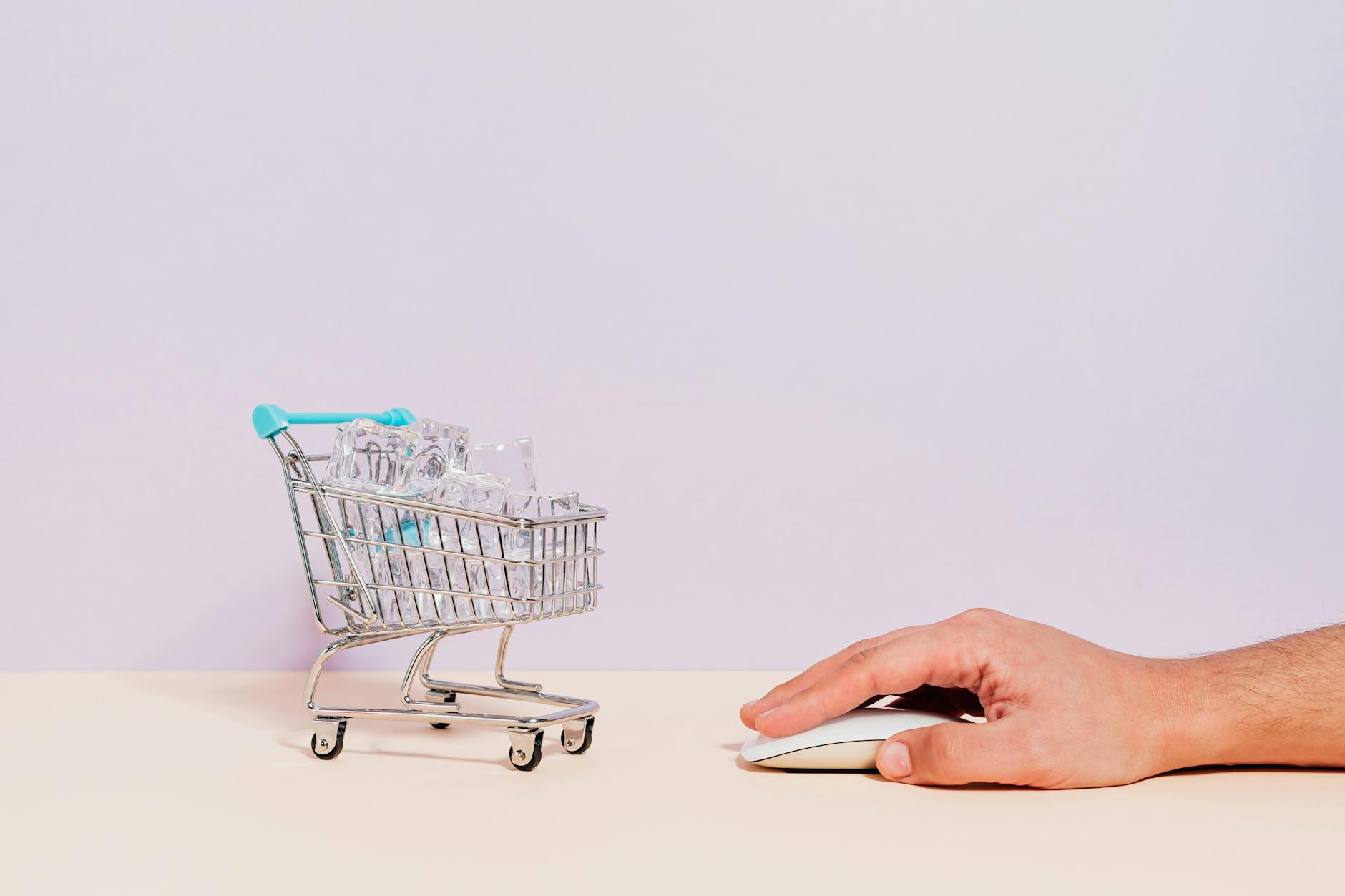
 Photo: Angela Roma / Pexels
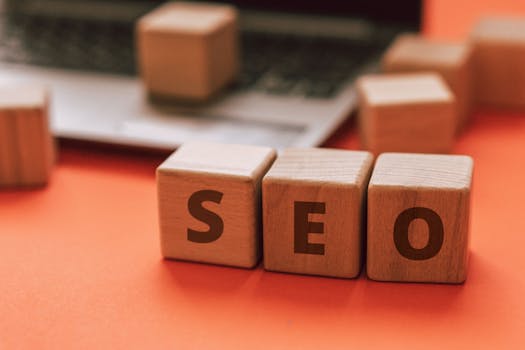 Photo: Atlantic Ambience / Pexels
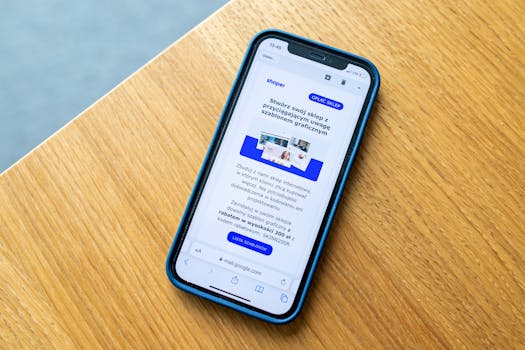 Photo: Shoper .pl / Pexels
 Photo: SiljeAO - / Pexels