✓ It is genuinely possible to start an online store without upfront financial investment.
✓ Utilizing free platforms and tools can significantly reduce startup barriers.
✓ Focusing on niche products and organic marketing is crucial for free store success.
✓ While free, some solutions may involve transaction fees or limitations on features.
How It Works
1
Define Your Niche & Product
Identify a specific market segment and the unique products you'll offer. This clarity helps target your audience and stand out without extensive advertising.
2
Choose a Free Ecommerce Platform
Select a platform that offers a free plan, allowing you to build and host your store. Research their features, limitations, and ease of use to match your needs.
3
Set Up Your Store & List Products
Configure your chosen platform, design your storefront, and meticulously add your product listings. High-quality images and compelling descriptions are vital.
4
Market Your Store Organically
Leverage free marketing channels like social media, SEO, and email marketing to attract customers. Building a community and engaging with your audience is key to growth.
Understanding the 'Free' in Free Online Stores
Photo: Tima Miroshnichenko / Pexels
The concept of starting an online store for free might sound too good to be true, but in today's digital landscape, it's a very real and attainable goal for aspiring entrepreneurs. When we talk about 'free,' we're primarily referring to the absence of upfront costs for platform subscriptions, domain registration (initially, at least), or complex web development. This doesn't mean that there are absolutely zero costs associated with running a business, but it drastically lowers the barrier to entry for launching your ecommerce venture. The initial 'free' aspect typically covers the core functionality needed to get your products listed and available for purchase online. Many platforms offer free tiers that include a basic storefront, product listing capabilities, and secure payment processing. However, it's crucial to understand the nuances. These free plans often come with certain limitations, such as a restricted number of products you can list, limited storage, a non-customizable subdomain (e.g., yourstore.platform.com), and sometimes, a higher transaction fee on sales compared to paid plans. It's an excellent way to test your business idea, validate your product-market fit, and gain initial sales traction without significant financial risk. Think of it as a launchpad rather than a permanent, scalable solution for a massive enterprise. As your business grows and generates revenue, you can then reinvest those profits into upgrading your platform, securing a custom domain, and expanding your marketing efforts. The true power of a free online store lies in its ability to democratize ecommerce, allowing anyone with a product and an internet connection to become a digital merchant. It empowers individuals to bypass traditional retail overheads like rent and staffing, directly connecting them with a global customer base. The 'free' model encourages iterative development and learning, enabling you to refine your product offerings and marketing strategies based on real-world customer feedback. This initial phase is invaluable for understanding the intricacies of ecommerce operations before committing substantial capital. It's about smart, lean entrepreneurship, leveraging available resources to build a foundation for future success. While some may view 'free' as synonymous with 'low quality,' many free online store solutions are robust enough to handle initial sales volumes and provide a professional-looking storefront. The key is to choose wisely and understand the long-term implications of your chosen platform. This initial phase allows you to focus on what truly matters: your product, your customers, and your sales strategy, rather than being bogged down by technical complexities or financial burdens. It's a testament to the evolving nature of the internet, where powerful tools are increasingly accessible to everyone, making the dream of owning an online business more achievable than ever before. The journey from a free setup to a thriving online enterprise is a common trajectory for many successful businesses today, demonstrating the viability and strategic advantage of starting lean. It allows you to prove your concept and build momentum, laying a solid groundwork for sustainable growth and profitability in the competitive ecommerce landscape. Remember, 'free' is often a gateway, not the destination, but it's an incredibly effective one.
Choosing Your Product and Niche: The Foundation of Success
Photo: Sergey Meshkov / Pexels
Before you even think about platforms or website design, the most critical step in starting any online store, especially a free one, is identifying what you'll sell and to whom. This is where your niche and product selection come into play. A well-defined niche allows you to focus your marketing efforts, understand your target audience's specific needs, and differentiate yourself from larger competitors. Trying to sell everything to everyone, especially with limited resources, is a recipe for failure. Instead, pinpoint a specific problem you can solve, a unique interest you can cater to, or an underserved demographic you can serve. For instance, instead of 'clothing,' consider 'eco-friendly activewear for millennial women,' or instead of 'home decor,' think 'minimalist sustainable pottery for small apartments.' This specificity not only makes your marketing more effective but also helps you connect with your audience on a deeper level, fostering loyalty.
Once you have a niche, the next step is product selection. When starting for free, consider products that are:
* **Easy to source or create:** If you're hand-making items, ensure the materials are affordable and readily available. If you're dropshipping, find reliable suppliers with low minimum order quantities and good quality control.
* **Lightweight and small:** This minimizes shipping costs, which can eat into your profits, especially when margins are tight on free plans.
* **High-demand, low-competition (if possible):** This is the sweet spot. Tools like Google Trends, Etsy, and Amazon best-seller lists can help you identify popular products. Look for gaps in the market or ways to offer a better, more unique version of an existing product.
* **Digital products:** Ebooks, online courses, printables, or digital art have zero shipping costs and high-profit margins, making them ideal for a free startup.
* **Print-on-Demand (POD):** Services like Printful or Printify integrate with many free platforms, allowing you to sell custom t-shirts, mugs, and other items without holding inventory. You only pay when a customer places an order, making it incredibly low-risk.
Thorough market research is non-negotiable. Explore social media groups, forums, and online communities related to your potential niche. What are people complaining about? What are they excited about? What products are they looking for but can't find? Understanding these pain points and desires will guide your product development and messaging. Don't be afraid to start small with just one or two core products that truly resonate with your niche. This allows you to perfect your offering and gather feedback before expanding. Your initial product choice isn't set in stone; it's a starting point. The agility of a free online store means you can pivot and adapt based on what you learn from your first customers. This iterative approach is a hallmark of successful lean startups and provides a significant advantage when operating with minimal resources. Focusing on a strong product within a specific niche not only sets you up for initial sales but also builds a loyal customer base, which is invaluable for long-term growth and sustainability. It's about quality over quantity, especially when your goal is to build a reputation and generate organic buzz without a large marketing budget. This thoughtful approach to product and niche selection is arguably the most critical determinant of whether your free online store will simply exist or truly thrive.
Top Free Ecommerce Platforms and Their Offerings
Photo: www.kaboompics.com / Pexels
The market for ecommerce platforms has exploded, and fortunately for aspiring entrepreneurs, several robust options offer genuinely free plans. These platforms provide the essential tools needed to launch your store without a monthly subscription fee, though they often have different models for monetization, such as transaction fees or limits on features. Understanding these distinctions is key to choosing the best fit for your specific needs.
**1. Shopify (14-day Free Trial + Free POS Lite):** While not entirely 'free' in the long run for a full online store, Shopify offers a generous free trial which is an excellent way to build out your entire store and test the waters. More importantly, their 'POS Lite' plan is free for in-person selling, and if you integrate it with social media selling, you can effectively use it as a free entry point. For a full online store, it's a premium platform known for its user-friendliness, extensive app store, and scalability. It's perfect for those who anticipate rapid growth and are willing to invest once they validate their concept. Many successful businesses start on Shopify's trial, make sales, and then upgrade. Their robust features make it a strong contender for anyone serious about ecommerce, even if the long-term cost isn't 'free'.
**2. Big Cartel (Free for 5 products):** Big Cartel is specifically designed for artists and makers. Its free 'Gold' plan allows you to list up to 5 products, customize your theme, and access basic statistics. It's incredibly straightforward to use, making it ideal for creatives who want a simple, aesthetic storefront without getting bogged down by complex features. The limitations on product count and features mean it's best for small, boutique operations or those just starting out with a very focused product line.
**3. Square Online (Free with transaction fees):** Square, primarily known for its payment processing, offers a comprehensive free online store builder. This platform allows you to sell unlimited products, offers inventory management, and even provides a free SSL certificate. The catch is that Square takes a transaction fee on every sale (typically 2.9% + $0.30 for online transactions). This can be a viable option if you already use Square for in-person sales or want a robust free solution with no monthly fees, as long as you're comfortable with the per-transaction cost. It's particularly strong for businesses that also have a physical presence.
**4. Ecwid (Free for 10 products):** Ecwid (E-commerce Widget) is unique in that it's designed to be embedded into an existing website (like WordPress, Wix, or even a simple HTML page) or used as a standalone storefront. Its free plan allows you to list up to 10 products, provides a mobile-responsive design, and offers unlimited bandwidth. It's an excellent choice if you already have a blog or website and want to add ecommerce functionality seamlessly. Like Square, it processes payments with standard transaction fees. Its flexibility and ease of integration are major selling points.
**5. Gumroad (Free with higher transaction fees):** Primarily for creators selling digital products, subscriptions, and even physical goods, Gumroad offers a free platform where you only pay when you make a sale (a higher percentage, typically 10% + $0.30 per transaction on the free tier, decreasing with higher sales volume). It's incredibly simple to set up, requires no coding, and handles all the payment and delivery logistics for digital content. Ideal for authors, artists, musicians, and educators.
**6. Wix (Free with Wix branding and custom domain upgrade):** Wix offers a free website builder that includes basic ecommerce features. While you can technically sell products, the free plan comes with Wix branding on your site and a Wix subdomain (e.g., yourstore.wixsite.com). To remove branding, use a custom domain, or access advanced ecommerce tools, you'll need to upgrade to a paid plan. It's a good option for those prioritizing design flexibility and ease of use, and who don't mind the branding initially as they build their presence.
Each of these platforms has its strengths and weaknesses, particularly concerning their 'free' offerings. When making your choice, consider your product type, the number of products you plan to sell, your technical comfort level, and your long-term growth aspirations. The best 'free' platform is the one that aligns most closely with your immediate needs and provides a clear upgrade path as your business scales.
Marketing Your Free Online Store: Strategies for Zero Budget
Launching your free online store is only half the battle; getting customers to find it without a marketing budget requires creativity and consistency. The good news is that many powerful marketing strategies are entirely free, relying on your time and effort rather than financial investment. This is where organic growth becomes your best friend.
**1. Social Media Marketing (Organic):** Choose 1-2 platforms where your target audience congregates (e.g., Instagram for visual products, TikTok for trending items, Pinterest for inspiration, Facebook groups for community). Consistency is key.
* **High-Quality Content:** Post engaging photos, videos, and stories of your products in use. Show behind-the-scenes glimpses, product creation processes, and customer testimonials.
* **Hashtags:** Research relevant and trending hashtags to increase discoverability. Mix broad and niche-specific tags.
* **Engagement:** Respond to comments, messages, and mentions promptly. Ask questions, run polls, and foster a community around your brand.
* **Collaborate:** Partner with micro-influencers or complementary small businesses for cross-promotion (e.g., if you sell handmade jewelry, collaborate with a boutique clothing brand).
**2. Search Engine Optimization (SEO):** Even with a free platform, basic SEO can drive organic traffic.
* **Keyword Research:** Use free tools like Google Keyword Planner or Ubersuggest (limited free searches) to find keywords your target audience uses to search for your products.
* **On-Page SEO:** Optimize your product titles, descriptions, and category pages with these keywords. Write compelling, descriptive content that also helps search engines understand what your product is about.
* **Image Optimization:** Use descriptive alt text for all product images, incorporating keywords where natural.
* **Blog Content (if your platform allows):** If your chosen platform or an integrated service (like a free WordPress blog) allows, create helpful content related to your niche. For example, if you sell handmade soap, write about 'the benefits of natural ingredients for skin' or 'how to choose the right soap for your skin type.' This positions you as an authority and attracts organic search traffic.
**3. Email Marketing (Free Tiers):** Platforms like Mailchimp or MailerLite offer free plans for a limited number of subscribers, allowing you to build an email list.
* **Lead Capture:** Offer an incentive (e.g., a free guide, a small discount on their first purchase) to encourage website visitors to sign up for your newsletter.
* **Engage and Nurture:** Send regular newsletters with new product announcements, behind-the-scenes content, exclusive offers, and helpful tips related to your niche. Email marketing is one of the most effective ways to build customer loyalty and drive repeat sales.
**4. Online Communities & Forums:** Participate in relevant Reddit communities, Facebook groups, or niche-specific forums. Provide value, answer questions, and subtly share your products when appropriate, ensuring you adhere to community guidelines to avoid being seen as spammy.
**5. Word-of-Mouth:** Encourage satisfied customers to share their experience. A simple request for a review or a share on social media can go a long way. Consider offering a small incentive for referrals once you start generating revenue.
**6. Local SEO (if applicable):** If you cater to a local audience (e.g., selling artisan crafts at local markets), set up a free Google My Business profile. This helps you appear in local search results and Google Maps.
Remember, consistency and patience are vital. Free marketing strategies take time to build momentum, but they lay a strong foundation for sustainable growth without depleting your non-existent marketing budget. Focus on building genuine connections with your audience and providing value, and sales will follow. It's about being resourceful and leveraging the vast, free resources available online.
Common Pitfalls and Pro Tips for Your Free Online Store
While starting an online store for free is highly accessible, it's not without its challenges. Being aware of common pitfalls and implementing smart strategies can significantly increase your chances of success.
**Common Pitfalls to Avoid:**
* **Underestimating the 'Hidden' Costs:** While monthly subscriptions might be free, transaction fees, shipping costs, packaging materials, and potential upgrade costs down the line are real. Always factor these into your pricing.
* **Ignoring Product Photography:** Poor quality photos are a major deterrent. Even with a smartphone, you can take excellent product photos with good lighting (natural light is best) and a clean background. It's a free way to elevate your brand.
* **Lack of Clear Product Descriptions:** Don't just list features; tell a story. Explain the benefits, who it's for, and why they need it. Use keywords naturally for SEO.
* **Neglecting Customer Service:** Even a free store needs excellent customer service. Respond promptly to inquiries, be polite, and resolve issues efficiently. Happy customers become repeat customers and brand advocates.
* **Inconsistent Branding:** Even with a free theme, try to maintain a consistent look and feel across your store and social media. This builds trust and recognition.
* **Spreading Yourself Too Thin on Social Media:** Don't try to be on every platform. Focus on 1-2 where your audience is most active and master those.
* **Ignoring Analytics:** Most free platforms offer basic analytics. Pay attention to what products are selling, where your traffic is coming from, and how visitors are interacting with your site. This data is invaluable for making informed decisions.
* **Expecting Overnight Success:** Building an online business takes time and effort. Be patient, learn from your mistakes, and celebrate small victories.
**Pro Tips for Maximizing Your Free Online Store:**
* **Leverage User-Generated Content (UGC):** Encourage customers to share photos of your products. Reshare their content (with permission) on your social media. It's free, authentic social proof.
* **Start with a Minimum Viable Product (MVP):** Don't wait for perfection. Launch with your best 1-3 products, gather feedback, and iterate. You can always add more later.
* **Create a Strong Value Proposition:** Clearly articulate what makes your products unique and why customers should choose you over competitors.
* **Build an Email List from Day One:** Even if you don't send emails immediately, collecting addresses is crucial for future marketing.
* **Focus on Niche Communities:** Engage where your target audience already gathers. Provide value, answer questions, and build rapport.
* **Continuously Learn and Adapt:** The ecommerce landscape is constantly changing. Stay updated on trends, new marketing strategies, and platform updates.
* **Utilize Free Design Tools:** Tools like Canva can help you create professional-looking social media graphics, banners, and even product mockups without a graphic designer.
* **Network with Other Entrepreneurs:** Connect with others in your niche or local business owners. You can learn from each other, share tips, and even collaborate.
* **Plan for Scalability:** Even though you're starting free, have a rough idea of what your next steps will be if your business grows. Which paid plan would you upgrade to? How would you handle increased orders?
By proactively addressing these potential issues and implementing these strategic tips, you can transform your free online store from a simple idea into a viable, growing business. The 'free' aspect removes financial barriers, but success still hinges on smart execution and a commitment to your customers.
Comparison
Feature
Square Online (Free)
Big Cartel (Free)
Ecwid (Free)
Monthly Cost
$0
$0
$0
Product Limit
Unlimited
5
10
Transaction Fees
2.9% + $0.30
0%
Standard payment processor fees
Branding on Store
✓ (Subtle)
✗
✓ (Subtle)
Custom Domain
Upgrade Required
✓
Upgrade Required
Sales Channels
Online, In-Person
Online
Online, Embeddable
Inventory Management
✓
✓
✓
Abandoned Cart Saver
✗
✗
Upgrade Required
Email Marketing Tools
Basic Integration
✗
Basic Integration
What Readers Say
★★★★★
"I used Square Online to start selling my handmade jewelry for free. It was incredibly easy to set up my shop and list products, and I appreciate not having a monthly fee while I build my customer base."
Sarah J. · Austin, TX
★★★★★
"Big Cartel's free plan was perfect for launching my art prints. The aesthetic is clean, and the focus on creators really shines through. It let me get my work out there without any financial stress."
Mark D. · Portland, OR
★★★★★
"Within three months of using Ecwid's free plan embedded on my existing blog, I've made over $1,500 in sales of my digital planners. It proved my product concept without any upfront investment!"
Jessica L. · Miami, FL
★★★★★
"Gumroad's free tier has been great for selling my e-books. The transaction fees are a bit high, but the simplicity of setup and zero monthly cost made it the ideal starting point for my digital products."
David K. · Denver, CO
★★★★★
"As a student, I needed to know how to start an online store for free to sell my custom stickers. Wix's free site let me get a presence, and I'll upgrade when I have more consistent sales and want a custom domain."
Emily R. · Chicago, IL
Frequently Asked Questions
Is it really possible to start an online store for absolutely no money?
Yes, it is genuinely possible to launch an online store without upfront costs for the platform itself. Many services offer free plans that allow you to build a storefront, list products, and process payments. However, you will still encounter costs for things like product sourcing, shipping, and transaction fees imposed by payment processors, even on free plans. The 'free' aspect primarily eliminates monthly subscription fees.
What are the main limitations of a free online store platform?
Free online store platforms typically come with limitations such as a restricted number of products you can list, limited storage, a non-customizable subdomain (e.g., yourstore.platform.com), and sometimes higher transaction fees on sales. They may also lack advanced features like abandoned cart recovery, advanced analytics, or extensive app integrations that are available on paid plans. These limitations are designed to encourage users to upgrade as their business grows.
How do I get customers to my free online store without a marketing budget?
To attract customers without a marketing budget, focus on organic strategies. Leverage social media platforms by creating engaging content and using relevant hashtags. Implement basic Search Engine Optimization (SEO) for your product descriptions and store pages. Utilize free email marketing services to build a subscriber list, and actively participate in online communities and forums related to your niche to build brand awareness.
Will I have to pay transaction fees even if the platform is free?
In most cases, yes. While the platform itself might be free, the payment processors (like Stripe, PayPal, or the platform's own payment gateway like Square Payments) will charge a small percentage and/or a flat fee per transaction. These fees are standard across almost all ecommerce, free or paid, and are necessary to cover the cost of securely processing payments. It's important to factor these into your pricing strategy.
How does a free online store compare to selling on marketplaces like Etsy or eBay?
A free online store gives you more control over your branding, customer data, and sales process compared to marketplaces. You build your own digital storefront and identity. Marketplaces, while offering built-in audience access, come with stiff competition, strict rules, and often higher fees or commissions per sale. A free online store allows you to cultivate a direct relationship with your customers, which can lead to greater long-term loyalty and profitability as you scale.
Who should consider starting an online store for free?
Starting an online store for free is ideal for new entrepreneurs, artists, makers, students, or anyone looking to test a product idea without significant financial risk. It's perfect for those with a limited budget who want to validate their niche, gather initial sales, and learn the ropes of ecommerce before committing to paid subscriptions and more extensive investments. It's a low-barrier entry point into the world of online selling.
Is my customer data secure on a free online store platform?
Reputable free online store platforms, such as Square Online, Big Cartel, and Ecwid, generally prioritize security. They typically provide SSL certificates to encrypt data, ensure PCI compliance for payment processing, and implement measures to protect customer information. Always choose a well-known platform to ensure your and your customers' data is handled securely, even on a free plan.
What's the future trend for free online store options?
The trend for free online store options is likely to continue evolving, with platforms offering more robust features in their free tiers to attract new users. We can expect increased integration with social commerce, AI-powered tools for basic marketing and customer service, and more specialized free options catering to specific niches (e.g., digital creators, local businesses). The competition among platforms will likely drive innovation and more generous free offerings.
Starting an online store for free is no longer a dream but a tangible reality, empowering countless entrepreneurs to launch their ventures with minimal risk. By leveraging the right platforms and smart, no-cost marketing strategies, you can build a thriving online business from the ground up. Take the leap today and discover the boundless opportunities that await you in the world of free ecommerce.
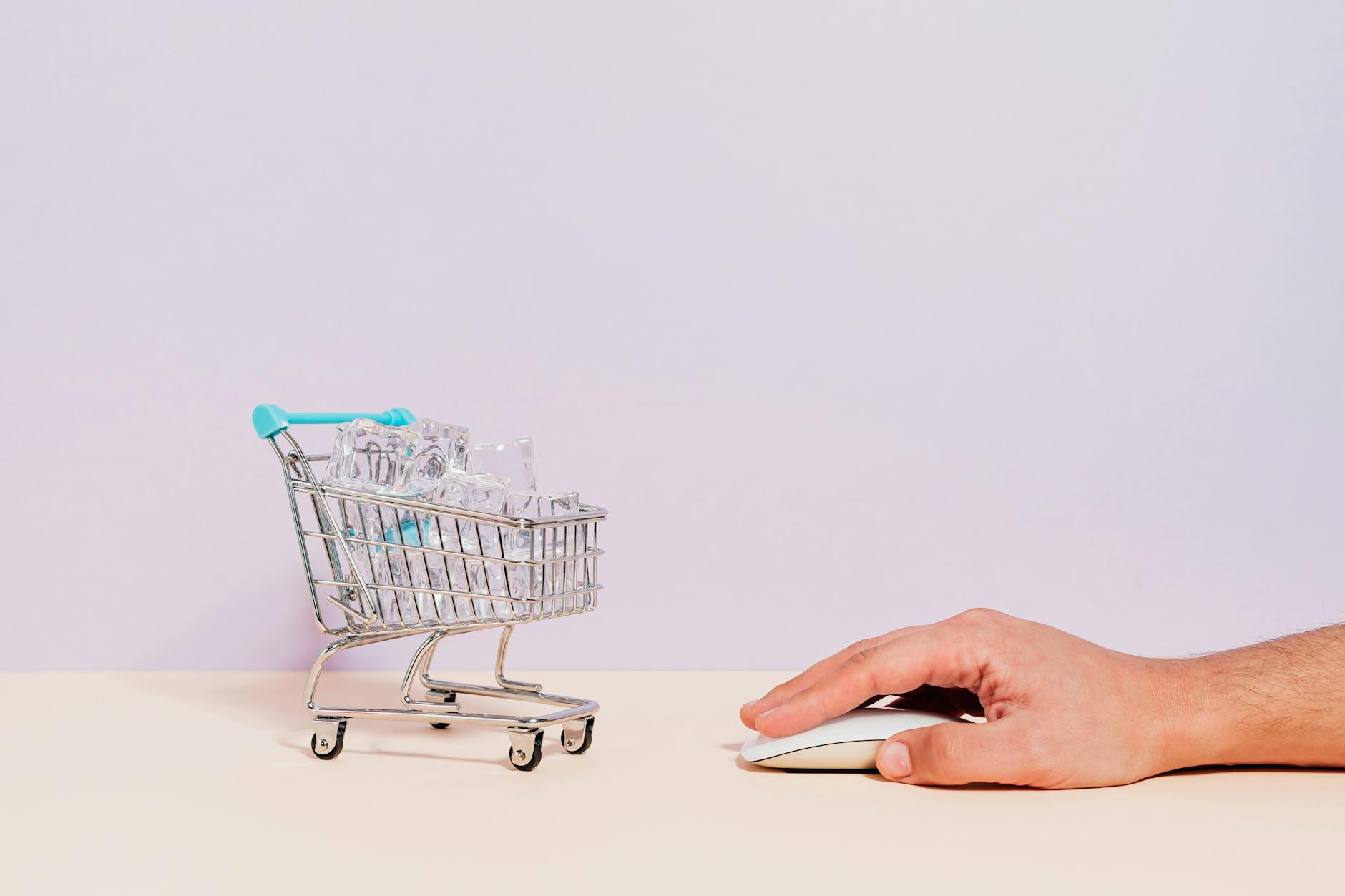
 Photo: Tima Miroshnichenko / Pexels
 Photo: Sergey Meshkov / Pexels
 Photo: www.kaboompics.com / Pexels