✓ The U.S. online apparel market is projected to reach over $100 billion by 2025.
✓ Niche selection is crucial for standing out in a competitive market.
✓ Dropshipping, print-on-demand, and private label are common inventory models.
✓ Effective marketing, including social media and SEO, is vital for visibility.
How It Works
1
Define Your Niche & Brand
Identify your target audience and the unique style you'll offer. This clarity will guide all subsequent decisions, from product sourcing to marketing.
2
Source Your Products
Choose an inventory model that fits your vision, whether it's dropshipping, manufacturing your own designs, or curating existing brands. Quality and reliability are paramount.
3
Build Your Online Store
Select an ecommerce platform, design your website, and integrate essential features like payment gateways. Focus on user experience and mobile responsiveness.
4
Launch & Market Your Brand
Develop a comprehensive marketing strategy encompassing social media, email, and SEO. Continuously analyze data to optimize your efforts and drive sales.
Laying the Foundation: Niche, Brand, and Business Plan
Photo: Ron Lach / Pexels
Embarking on the journey to start an online clothing store begins with a crystal-clear vision. The fashion industry is vast and competitive, making niche selection not just important, but absolutely critical for your future success. Think beyond 'women's clothes' or 'men's shirts.' Dig deeper. Are you targeting sustainable fashion enthusiasts, vintage lovers, plus-size professionals, ethical streetwear connoisseurs, or perhaps apparel for specific hobbies like yoga or hiking? Your niche defines your target audience, helps you understand their specific needs and desires, and dictates your product selection, branding, and marketing strategies. A well-defined niche allows you to speak directly to a passionate segment of the market, fostering loyalty and making your marketing efforts far more efficient. It's about being a big fish in a small pond, rather than a tiny fish in an ocean.
Once your niche is firmly established, the next step is to craft a compelling brand identity. Your brand is more than just a logo; it's the personality, values, and emotional connection you build with your customers. What story do you want your clothing to tell? What feeling do you want to evoke? Consider your brand name, color palette, typography, and visual style. These elements should resonate with your chosen niche and communicate your unique selling proposition. For instance, if your niche is eco-friendly activewear, your brand identity should reflect sustainability, health, and a modern aesthetic. Consistency across all touchpoints – from your website to your social media posts and packaging – is key to building a recognizable and trustworthy brand.
Simultaneously, developing a robust business plan is non-negotiable. This isn't just a document for investors; it's your strategic roadmap. It should detail your mission statement, target market analysis, competitive landscape, product offerings, marketing and sales strategies, operational plan (how you'll manage inventory, shipping, customer service), and crucially, your financial projections. How much capital do you need to start? What are your projected sales, costs, and profit margins? Understanding these figures upfront will help you secure funding, make informed decisions, and anticipate challenges. It also forces you to think through every aspect of your business, minimizing surprises down the line. A solid business plan acts as your compass, guiding you through the often-turbulent waters of entrepreneurship and ensuring you stay aligned with your long-term goals. For more insights into the broader context of selling online, explore our guide on ecommerce fundamentals.
Sourcing, Inventory, and Supply Chain Management for Apparel
Photo: Tima Miroshnichenko / Pexels
After defining your niche and brand, the practicalities of product sourcing and inventory management come to the forefront. This stage involves making critical decisions about how you will acquire the clothing you sell. Several models exist, each with its own advantages and disadvantages. Dropshipping is a popular choice for new entrepreneurs due to its low startup costs and minimal inventory risk. With dropshipping, you don't hold any inventory yourself; instead, when a customer places an order, you purchase the item from a third-party supplier who then ships it directly to the customer. This model eliminates the need for warehouse space and upfront inventory investment, allowing you to test various products and niches with reduced financial exposure. However, dropshipping often comes with lower profit margins, less control over product quality, and longer shipping times, which can impact customer satisfaction.
Another prevalent model is print-on-demand (POD). This is ideal for those looking to sell custom designs on t-shirts, hoodies, accessories, and more, without manufacturing the items themselves. Similar to dropshipping, POD services handle printing, packaging, and shipping only after an order is placed. This allows for creative expression and brand uniqueness without the burden of inventory. Platforms like Printful or Printify integrate seamlessly with most ecommerce stores. While POD offers creative freedom and reduces inventory risk, it typically results in higher per-item costs compared to bulk manufacturing, which can affect your pricing strategy and overall profitability.
For those seeking greater control over product quality, design, and branding, manufacturing or private labeling is the path to consider. This involves either designing and producing your own clothing line (manufacturing) or sourcing existing products and applying your own brand label (private labeling). This model requires a significant upfront investment in inventory, production, and quality control, but it also offers the highest profit margins and complete brand differentiation. You'll need to find reliable manufacturers, establish quality assurance processes, and manage your inventory effectively. This could involve working with overseas factories, local artisans, or even setting up your own small-scale production.
Regardless of your chosen sourcing model, efficient supply chain management is paramount. This encompasses everything from supplier selection and order fulfillment to shipping and returns. For dropshipping and POD, selecting reputable suppliers with consistent quality and fast shipping is crucial. For manufacturing, building strong relationships with your producers and implementing rigorous quality checks at every stage is vital. Consider your packaging strategy – branded packaging can significantly enhance the unboxing experience and reinforce your brand identity. Finally, establish clear policies for shipping, returns, and exchanges. Transparent and customer-friendly policies build trust and reduce customer service issues, contributing to a positive brand reputation and repeat business. Understanding these operational details is key to running a smooth and profitable online clothing store.
Building Your Digital Storefront: Platform, Design, and Functionality
Photo: Negative Space / Pexels
With your niche defined and products sourced, the next pivotal step is to build your online storefront. This digital space is where customers will interact with your brand, browse your products, and make purchases, so it needs to be intuitive, visually appealing, and highly functional. The foundation of your online store is the ecommerce platform you choose. Popular options like Shopify, BigCommerce, and Squarespace offer robust features tailored for online retail, while platforms like WooCommerce (for WordPress) provide more flexibility for those with technical expertise. Each platform has its own pricing structure, scalability, and feature set, so it’s essential to evaluate them based on your budget, technical comfort level, and future growth plans. Consider factors like ease of use, mobile responsiveness, integrated payment gateways, SEO capabilities, and available apps or plugins that can extend functionality.
Once you’ve selected your platform, the design of your store becomes paramount. Your website’s aesthetic should be a direct extension of your brand identity and appeal to your target audience. Use high-quality product photography that showcases your clothing from multiple angles, highlights details, and uses consistent lighting. Professional imagery can significantly impact conversion rates. Beyond visuals, focus on user experience (UX). Is your navigation clear and logical? Can customers easily find what they're looking for? Implement intuitive search filters, size guides, and clear product descriptions that provide all necessary information (materials, care instructions, fit). A seamless checkout process is also crucial; minimize the number of steps and offer various payment options to reduce cart abandonment. Mobile optimization is no longer optional; a significant portion of online shopping happens on smartphones, so ensure your site is fully responsive and offers an excellent experience on smaller screens.
Beyond the core design, consider essential functionalities that enhance the shopping experience and streamline your operations. Secure payment gateways (e.g., Stripe, PayPal) are non-negotiable for customer trust. Integration with shipping carriers and tools for calculating shipping costs automatically can save you immense time. Customer support features, such as live chat or an easily accessible FAQ section, improve satisfaction. Furthermore, consider incorporating features like customer reviews and ratings, wishlists, and related product recommendations, which can boost engagement and average order value. Don't forget about backend functionalities like inventory tracking and order management, which are vital for efficient operations. Regularly test your website for broken links, slow loading times, and functionality issues. A well-designed, functional, and user-friendly online store is your most powerful sales tool, converting browsers into loyal customers. For a deeper dive into the broader aspects of selling online, our guide on ecommerce strategies offers valuable insights.
Launching and Scaling Your Online Clothing Boutique
Photo: MART PRODUCTION / Pexels
With your online store built and stocked, the exciting phase of launching and scaling your online clothing store begins. A successful launch isn't just about flipping a switch; it requires a strategic approach to generate buzz and attract your first customers. Before the official launch, build anticipation through a 'coming soon' page, social media teasers, and an email list signup. Offer exclusive discounts or early access to your initial subscribers to reward their interest. When you do launch, announce it across all your channels – social media, email, and press releases if applicable. Consider collaborating with micro-influencers or fashion bloggers in your niche for initial exposure.
Marketing is the engine that drives traffic to your store. A multi-faceted marketing strategy is essential. Social media marketing is particularly powerful for fashion brands. Identify the platforms where your target audience spends the most time (Instagram, TikTok, Pinterest are often popular for fashion). Create engaging content that showcases your products in lifestyle contexts, uses high-quality visuals, and tells your brand story. Run targeted ads to reach specific demographics. Email marketing is another indispensable tool; build your list from day one and use it to announce new arrivals, promotions, and exclusive content. Segment your audience to send personalized messages that resonate.
Search Engine Optimization (SEO) is critical for long-term organic visibility. Optimize your product descriptions, category pages, and blog content with relevant keywords your target audience is searching for. Ensure your site has a fast loading speed, is mobile-friendly, and has a clear site structure. Beyond these, consider paid advertising (PPC) on platforms like Google and social media to drive immediate traffic, especially during seasonal sales or new collection launches. Influencer marketing, affiliate programs, and content marketing (e.g., fashion blogs, style guides) can also be highly effective in reaching new audiences and building brand authority.
Scaling your business involves continuous analysis and adaptation. Monitor your website analytics to understand customer behavior – where they come from, what they browse, and where they drop off. Track key performance indicators (KPIs) like conversion rates, average order value, customer acquisition cost, and customer lifetime value. Use this data to refine your marketing efforts, optimize your website, and identify best-selling products. As your business grows, you might need to reconsider your inventory model, explore new product lines, or expand into new markets. Excellent customer service, including efficient returns and responsive support, is paramount for building loyalty and encouraging repeat purchases, which are crucial for sustainable growth. Continuously seek feedback from your customers and be prepared to evolve your offerings and strategies to stay relevant in the dynamic online fashion landscape. The key to sustainable success is not just attracting customers, but retaining them and turning them into brand advocates.
Comparison
Feature
Shopify (Best Option)
WooCommerce (Alternative 1)
Etsy (Alternative 2)
Ease of Use
Very High
Medium
High
Setup Cost
Subscription ($29+/month)
Free (Hosting + Plugins)
Listing Fees + Transaction %
Scalability
Excellent
High
Limited
Customization
High (Themes, Apps)
Very High (Code access)
Limited
Target Audience
Independent Brands
Custom Shops
Crafters, Vintage
What Readers Say
★★★★★
"This guide was exactly what I needed to start my online clothing store. The section on niche selection really helped me focus my ideas and avoid common pitfalls. Highly recommend for any aspiring fashion entrepreneur!"
Sarah Chen · Austin, TX
★★★★★
"I was overwhelmed by the thought of selling clothes online, but this article broke it down into manageable steps. The advice on product sourcing was particularly useful in choosing between dropshipping and private label."
David Lee · Miami, FL
★★★★★
"Following this guide, I launched my sustainable activewear brand in just three months and generated $5,000 in sales in the first month. The marketing strategies, especially social media tips, were a game-changer!"
Maria Rodriguez · Los Angeles, CA
★★★★★
"A very comprehensive overview. While some sections could delve even deeper into specific technical aspects, it provides an excellent foundational understanding for anyone looking to start an online clothing store. The platform comparison was helpful."
Michael Brown · Chicago, IL
★★★★★
"As someone with a background in fashion design but no business experience, this article was invaluable. It helped me understand the ecommerce side of things and how to translate my creative vision into a viable online business."
Jessica Kim · New York, NY
Frequently Asked Questions
What is the most crucial first step when I want to start an online clothing store?
The most crucial first step is defining your niche and target audience. Understanding who you want to sell to and what unique value you offer will inform every subsequent decision, from product selection to marketing, ensuring your brand stands out in a crowded market.
Is it too expensive to start an online clothing store?
The cost to start an online clothing store varies significantly. You can begin with a relatively low investment using models like dropshipping or print-on-demand, which minimize upfront inventory costs. However, manufacturing your own line or holding extensive inventory will require more capital.
How do I find reliable suppliers for my online clothing store?
Finding reliable suppliers involves thorough research. Look for suppliers on platforms like Alibaba, Faire, or via specialized directories. Always request samples, check reviews, verify their production capabilities, and clearly communicate your quality expectations to ensure consistency.
What is the average profit margin for an online clothing store?
Profit margins in online clothing stores can vary widely, typically ranging from 20% to 60% or more, depending on your niche, pricing strategy, sourcing model, and operational efficiency. Custom or private label products often yield higher margins than dropshipped items.
Should I use Shopify or WooCommerce for my online clothing store?
Shopify is generally recommended for beginners due to its ease of use, robust features, and excellent support, though it comes with a monthly subscription. WooCommerce offers more customization and control for those with WordPress experience and a more hands-on approach to site management.
Who should consider starting an online clothing store?
Anyone with a passion for fashion, a unique design vision, or an entrepreneurial spirit who wants to build a brand and connect with a specific audience should consider starting an online clothing store. It's ideal for creatives and business-minded individuals alike.
What are the biggest risks when starting an online clothing store?
Key risks include intense competition, managing inventory efficiently (especially if holding stock), maintaining product quality, effectively marketing to your target audience, and dealing with returns. Thorough planning and adaptability are crucial to mitigate these risks.
What future trends should I consider for my online clothing store?
Future trends include increased demand for sustainable and ethical fashion, the rise of personalized shopping experiences, integration of AI for sizing and recommendations, the growing importance of social commerce, and the potential of augmented reality (AR) for virtual try-ons.
Ready to turn your fashion dream into a thriving reality? This comprehensive guide provides the essential roadmap to start an online clothing store successfully. Take the first step today and embark on your entrepreneurial journey in the exciting world of ecommerce fashion.

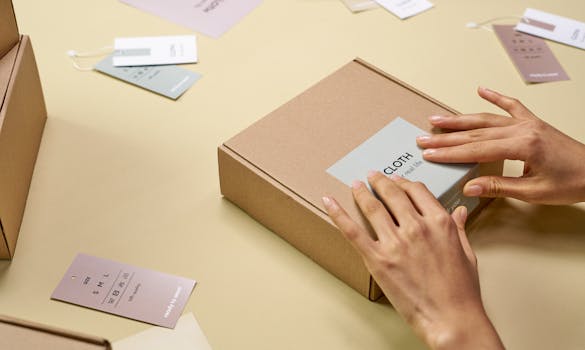 Photo: Ron Lach / Pexels
 Photo: Tima Miroshnichenko / Pexels
 Photo: Negative Space / Pexels
 Photo: MART PRODUCTION / Pexels